Food Loss and Food Waste Management

Charoen Pokphand Group therefore places importance on preventing food loss at its source by improving production, storage, transportation and inventory management to maintain food quality and reduce losses before food reaches consumers.
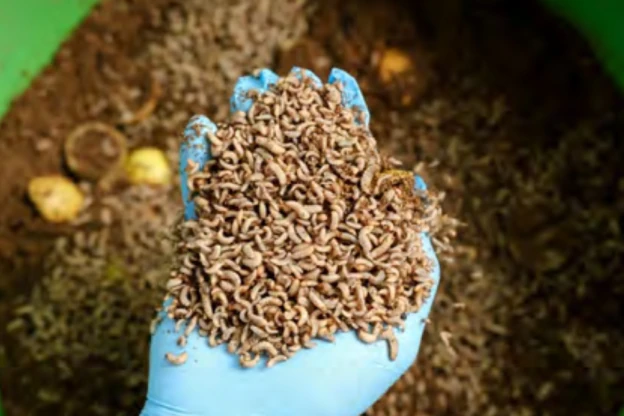
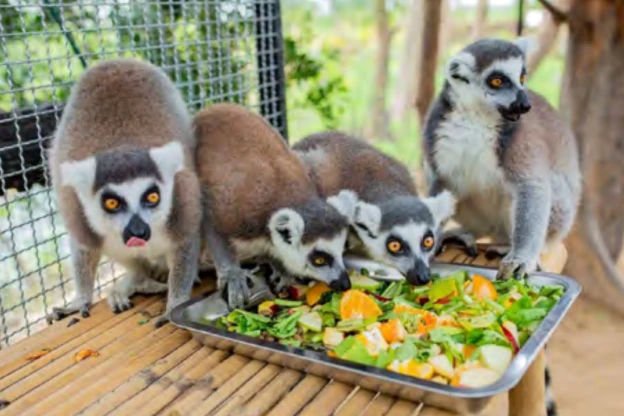
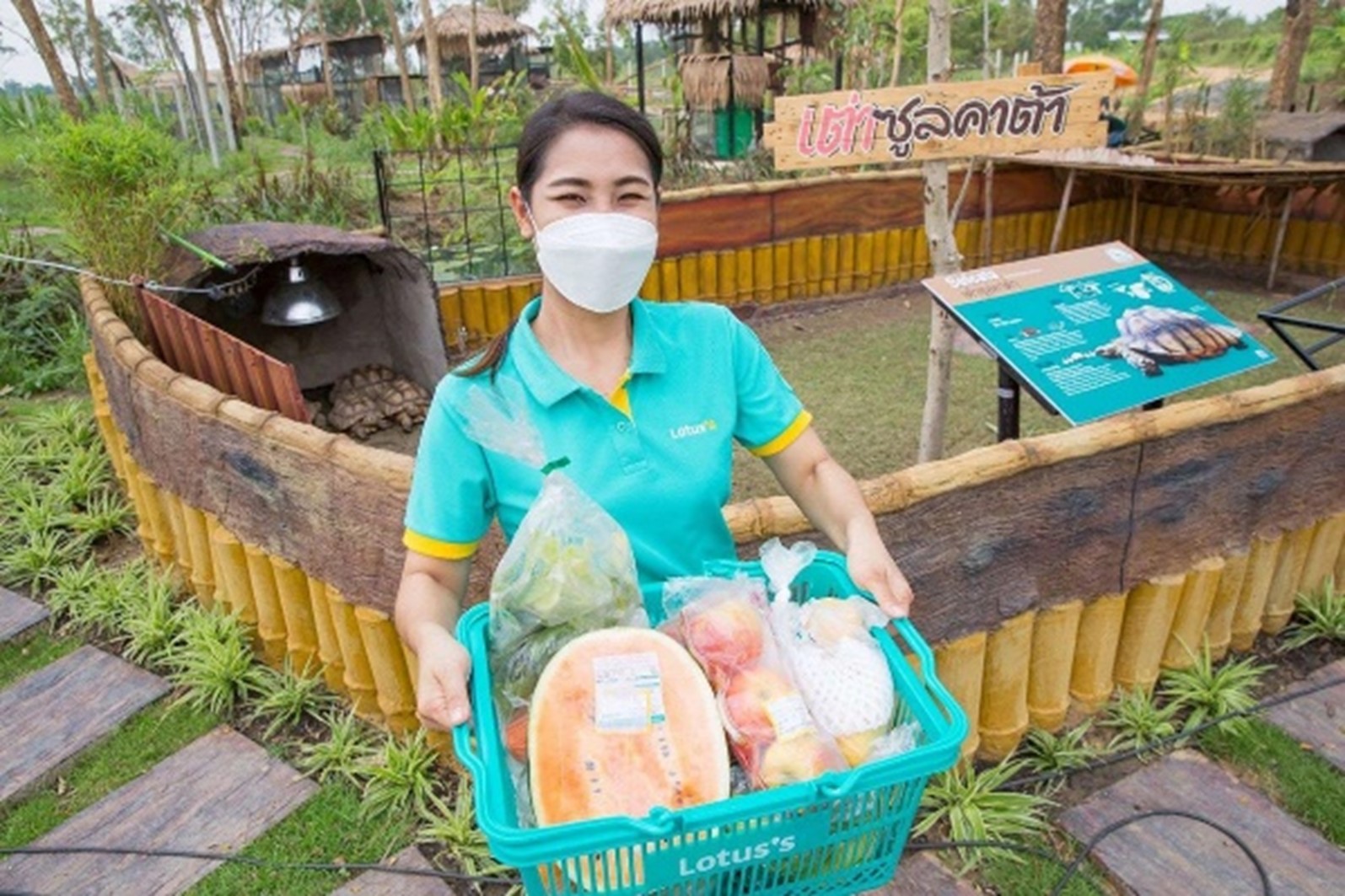
For surplus or unsellable food that remains safe and of suitable quality, Charoen Pokphand Group seeks to recover its value according to an appropriate hierarchy, such as donation to support people in need, use as animal feed, or further processing to create new value before considering other end-of-life management options.
Food Loss and Food Waste Management Approach
Charoen Pokphand Group collaborates with various sectors to promote the appropriate recovery and utilization of food.
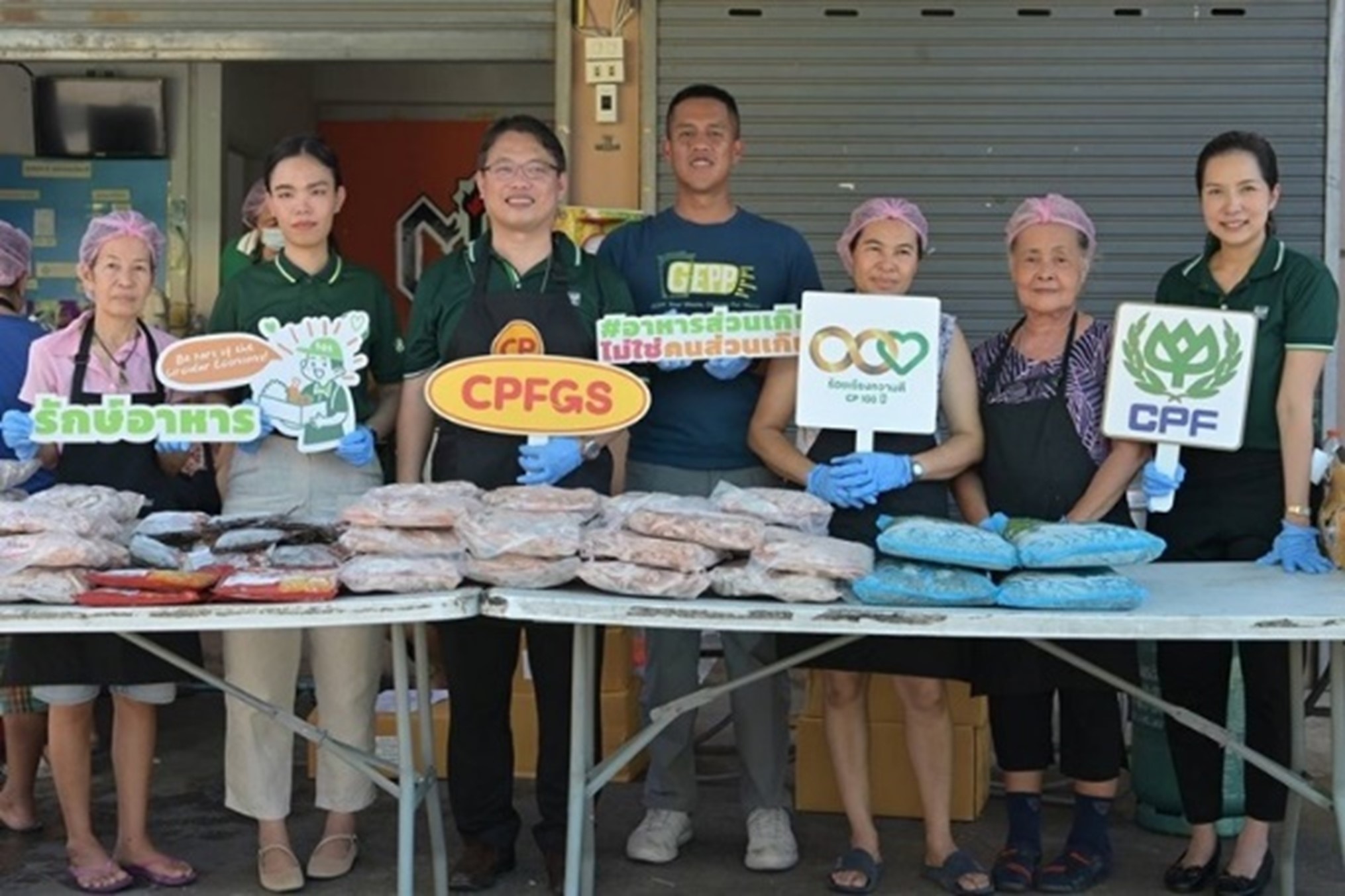
Beyond preventing food loss and managing surplus or unsellable food, the Group’s business units strive to make use of food that remains safe and of good quality—such as by donating it to charitable organizations and relevant local agencies—to reduce food waste and support food security.
This approach aligns with C.P. Group’s circular economy policy, which focuses on maximizing resource efficiency, minimizing waste, and developing environmentally friendly practices. The Group also encourages all business units to integrate sustainability into their day-to-day operations in a tangible manner through systematic management, data-driven analysis, and knowledge-sharing across sectors to continuously and sustainably enhance outcomes.
Key Performance 2025
Volume of Food Loss and Food Waste
Food Loss and Food Waste
and Food Waste 220.85 (thousand tons)
Trends of the Food Waste Comparison with Food Waste to Landfill
Volume of Food Loss
By Disposal Method
By Category


Volume of Food Waste
By Disposal Method
By Category