Energy Management

Charoen Pokphand Group therefore views energy management as more than controlling consumption. It is about making production processes, buildings, utilities, transportation and other business activities use energy more efficiently and appropriately. This ranges from monitoring energy-use patterns and improving the efficiency of machinery and equipment to applying energy management systems and digital technologies to identify opportunities for reducing energy consumption.
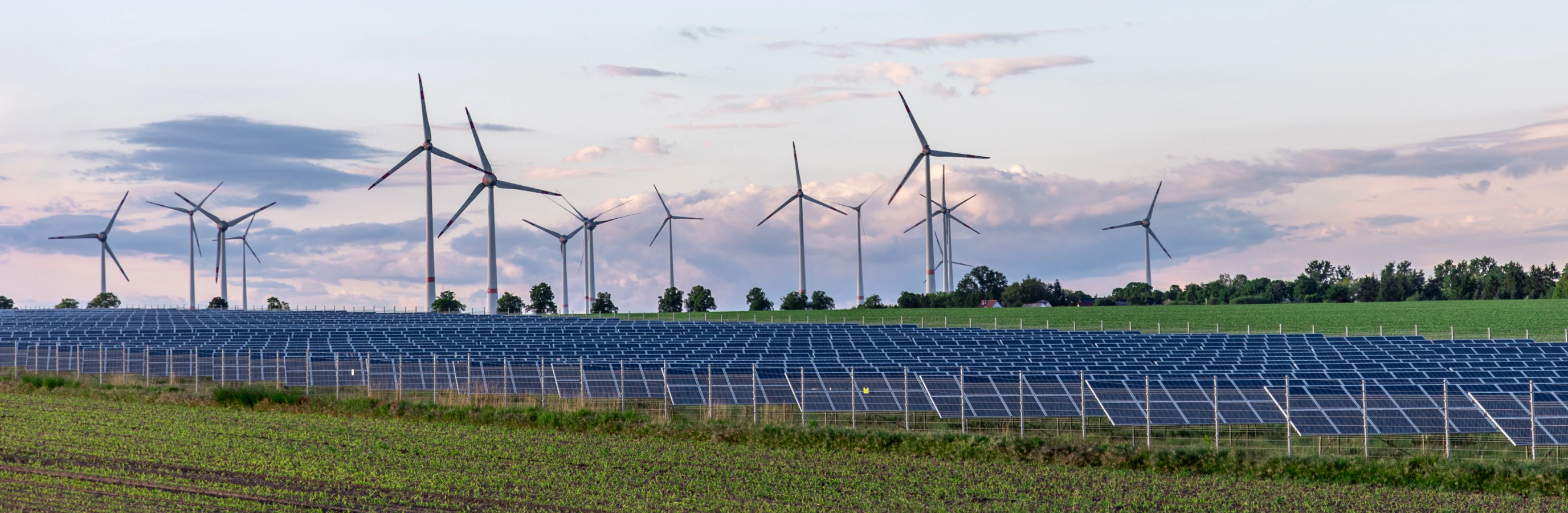
Another dimension of the transition is increasing the share of energy sources with lower environmental impacts. Charoen Pokphand Group therefore continues to expand the use of renewable energy, including solar power, biogas, biomass and other renewable sources appropriate to the context of each business, while considering new technologies and energy procurement approaches that help reduce dependence on fossil fuels.
Key Performance 2025



Electricity and Energy Purchased

Fossil Fuel

Renewable Energy

Energy Management
Charoen Pokphand Group places great importance on energy management throughout all stages of its business operations. The Group focuses on energy efficiency, clean energy, and innovation to support its Net Zero ambition.
Enhancing Energy Efficiency Audit
The Group regularly monitors and audits energy consumption to identify areas for improvement, eliminate unnecessary energy use, and increase the share of renewable energy in operations, both within the Group and across its suppliers.
Setting Clear Targets
CP Group has set targets to achieve Carbon Neutrality by 2030 and Net Zero by 2050, including:
By 2030, the targets are:
- Reduce Scope 1 & 2 greenhouse gas (GHG) emissions by 42%, compared to the 2021 baseline.
- Reduce Scope 3 (Energy & Industry) emissions by 25%, compared to the 2021 baseline.
- Reduce Scope 1 & 3 (FLAG) emissions by 30.3% compared to the 2021 baseline.
By 2050, the targets are:
- 90% reduction in Scope 1 & 2 emissions, compared to the 2021 baseline.
- 90% reduction in Scope 3 (Energy & Industry), compared to the 2021 baseline.
- 72% reduction in Scope 1 & 3 (FLAG) compared to the 2021 baseline.
Transition to Clean Energy
The Group is shifting to clean energy sources for its operations and those of its suppliers — such as solar power, biomass, and biogas.
Innovation and Research
The Group invests in technologies that enhance energy efficiency, including smart energy management systems, electric-powered transport, and collaborations in researching future energy solutions such as green hydrogen and carbon capture and storage (CCS).
Awareness Building
All employees receive sustainability training covering energy management and climate change. The Group also runs awareness campaigns to encourage everyone’s active participation in energy conservation.