Animal Welfare

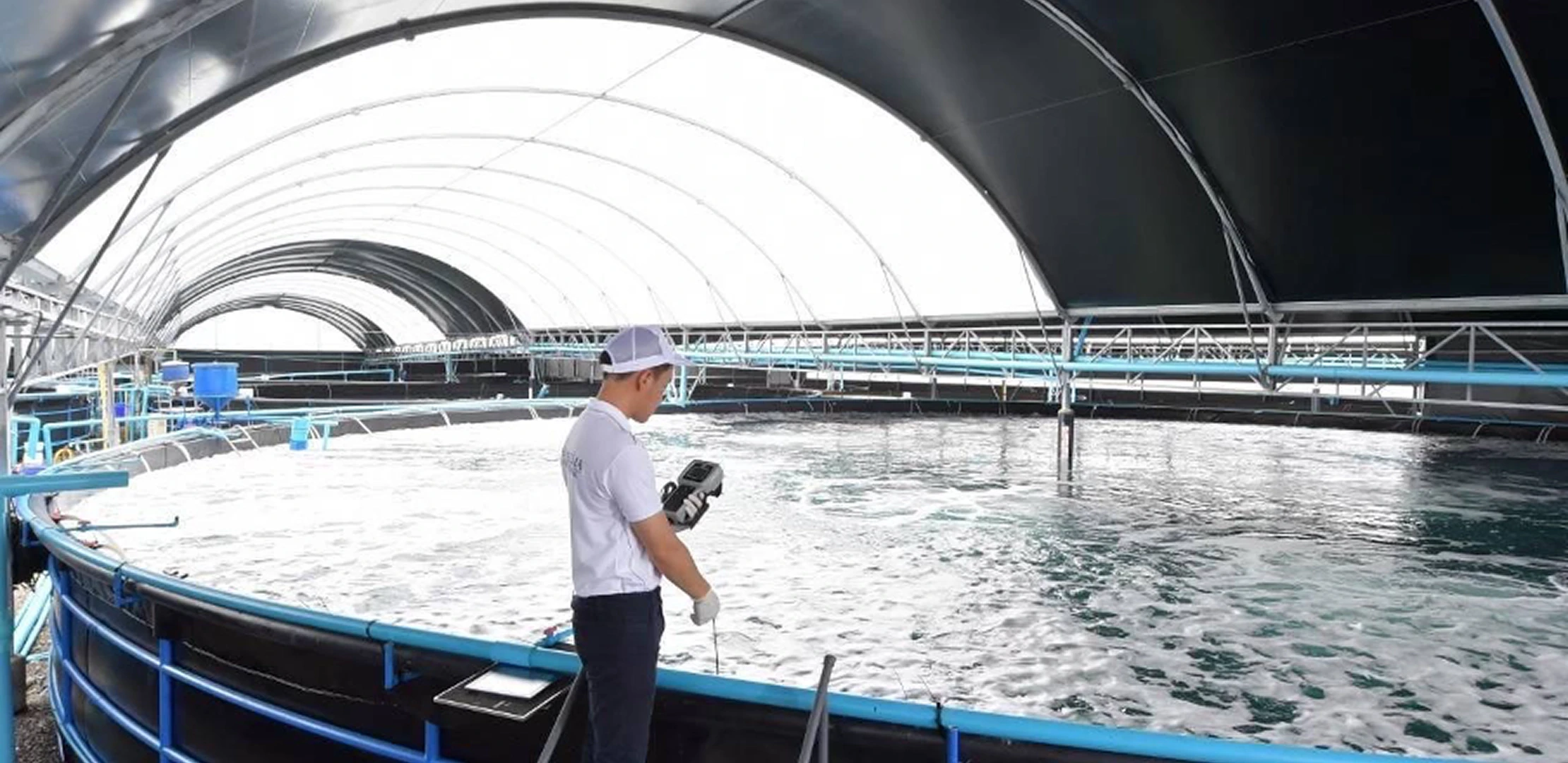
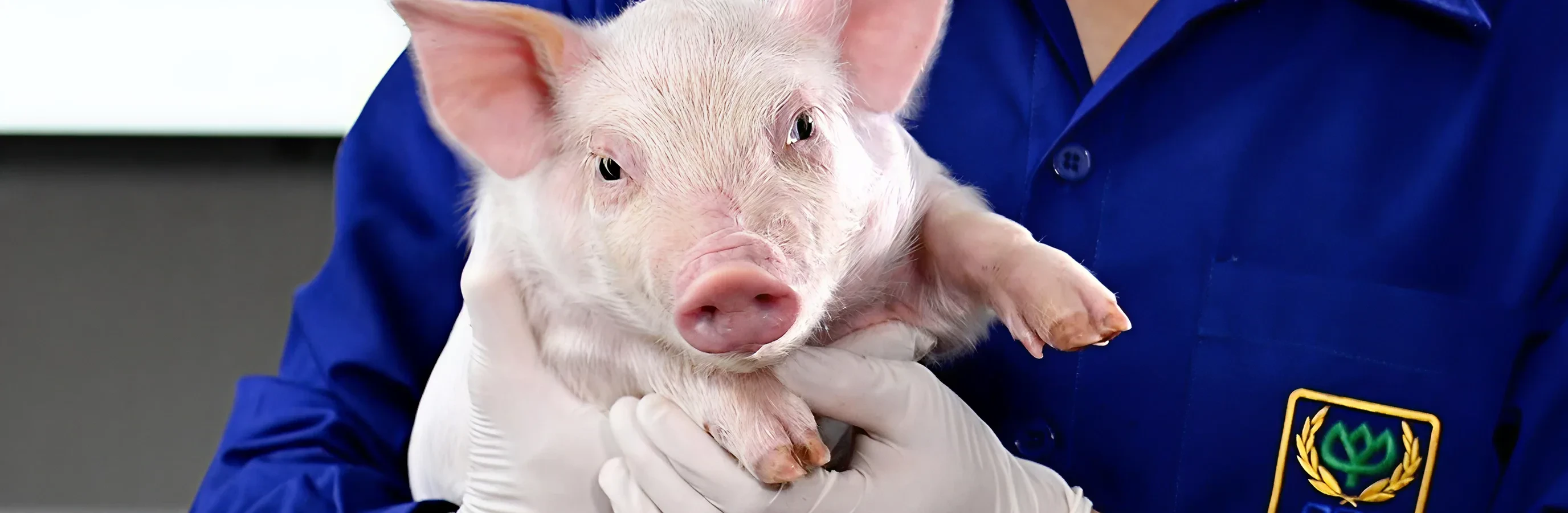
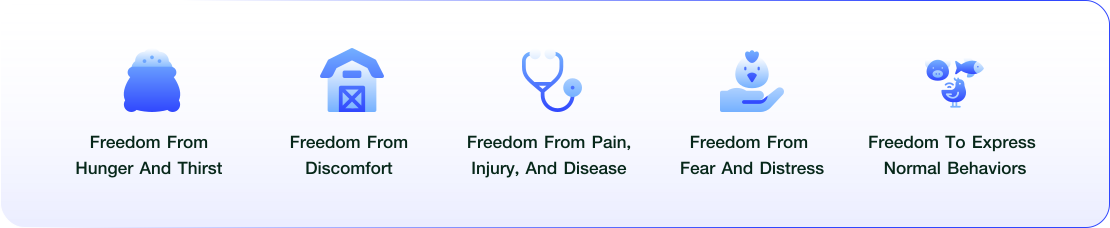
Charoen Pokphand Group recognizes the challenges of ensuring food security, particularly in the livestock sector, where it is essential to balance productivity, environmental stewardship, and animal well-being. The Group is committed to advancing business practices that prioritize animal welfare, a key factor in product quality and global trust in the food system. To this end, C.P. Group has adopted the “Five Freedoms” framework as the foundation for managing both terrestrial and aquatic farms across all operations and countries. This approach ensures that animal farming is carried out with high standards of care, safety, and long-term sustainability in accordance with international best practices.
Animal Welfare Practices
Our commitment to animal welfare is reflected through a range of policies and initiatives, as outlined below:
Ethical Livestock Practices:
We place great importance on the humane treatment of animals, ensuring their well-being and comfort through ethical animal welfare management. This includes strict compliance with national laws, regulations, and requirements of countries where we operate or trade. We also adhere to customer expectations and international animal welfare standards as a baseline, while continuously seeking to improve our practices.
Promotion of Good Animal Welfare Practices:
We follow humane and responsible practices throughout all stages—from rearing, feeding, and healthcare, to disease prevention and animal transportation. These standards apply across our operations and extend throughout our supply chain, including our suppliers.
Audits for Transparency and Credibility:
We conduct both internal assessments and external third-party audits to ensure that animals are treated appropriately in accordance with defined standards.
Transparent Disclosure:
We report on our animal welfare practices and progress toward our goals through sustainability reports and other communication channels, enabling stakeholders to access and track our ongoing efforts.
Collaboration to Elevate Standards:
We work in partnership with government agencies, non-profit organizations, academic institutions, communities, and other stakeholders to raise awareness and promote best practices in animal welfare.
Responsible and Judicious Use of Antibiotics
Charoen Pokphand Group places strong emphasis on the responsible and judicious use of antibiotics in livestock farming to reduce the risk of antimicrobial resistance (AMR) and prevent antibiotic residues in food products. This approach aligns with the "One Health" principle, which promotes a holistic balance between human, animal, and environmental health to ensure sustainable well-being.
This standard is uniformly applied across all CP livestock operations worldwide, including both company-owned farms and those of contract farmers participating in our livestock development programs. Antibiotic use is minimized, especially for preventive purposes, and strictly administered for therapeutic use only, under close supervision by licensed veterinarians to uphold animal welfare.
Key commitments include:
- No use of antibiotics designated for human use only
- No use of medically important shared-class antibiotics (approved for both humans and animals) as growth promoters
- No use of hormones for growth promotion purposes
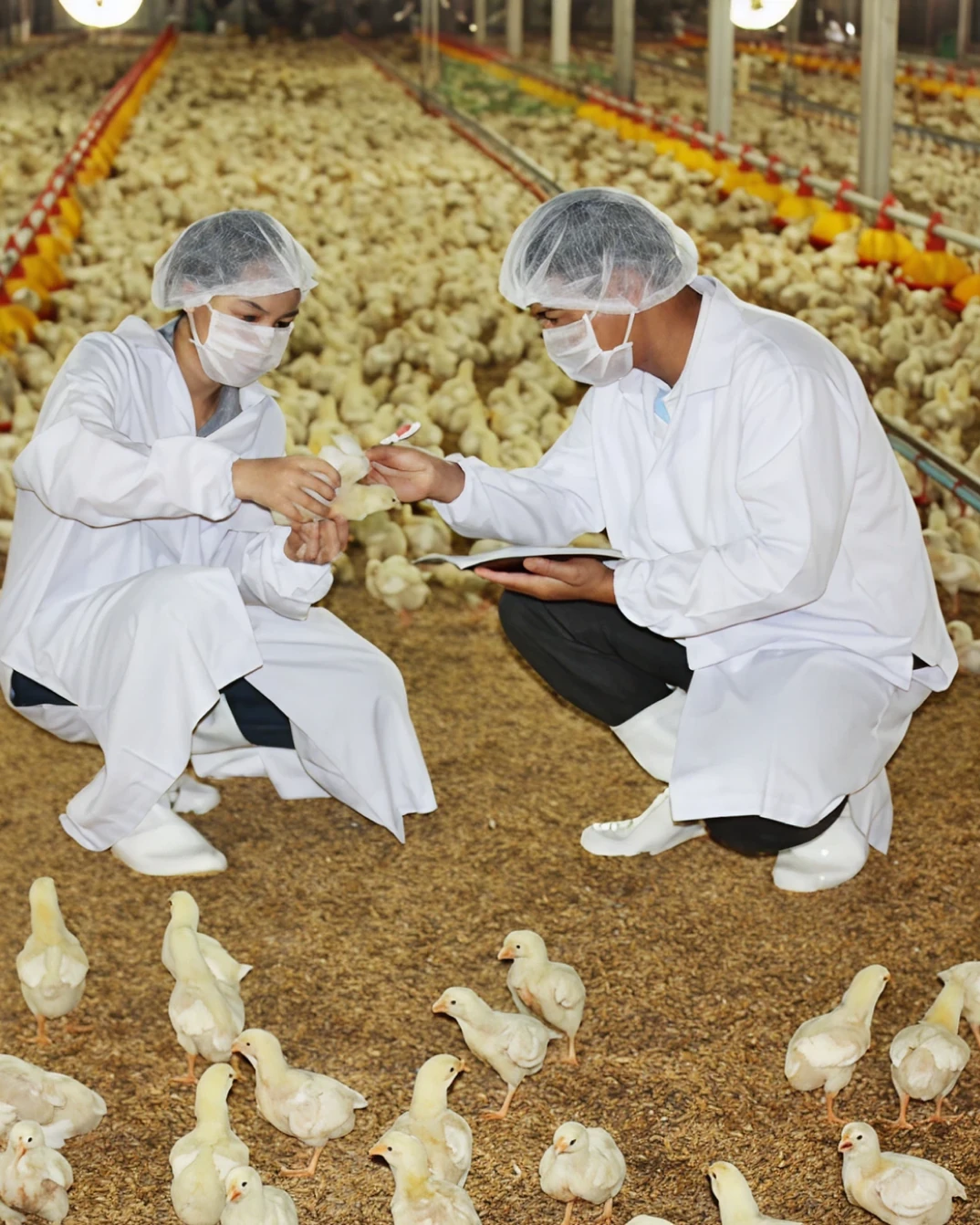
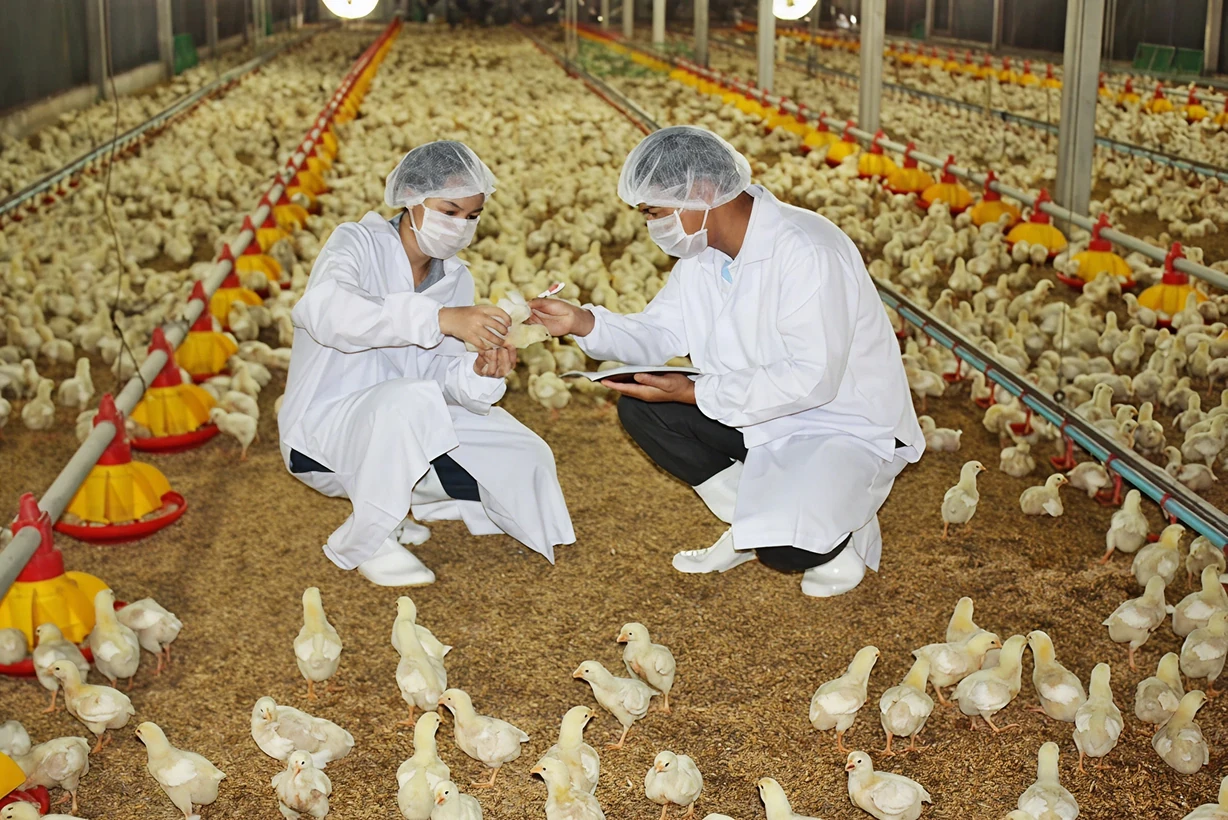
Example of Implementation by Charoen Pokphand Foods Public Company Limited (CPF)
CPF has established guidelines for the responsible use of antibiotics covering Company-owned farms and the farms of farmers participating in the animal farming promotion program. These guidelines prohibit the use of antibiotics for disease prevention (No Prophylactic Use), the use of antibiotics reserved exclusively for humans (Human-Only Antibiotics), and the use of medically important antibiotics shared between humans and animals (Shared-Class Antibiotics) for growth promotion. The therapeutic use of antibiotics is undertaken in accordance with animal welfare principles and under veterinary supervision.
In parallel, CPF promotes alternative approaches to reduce reliance on antibiotics, including the development of farming systems and disease-prevention measures, animal health management aimed at reducing medication use, the development of veterinary personnel, and the use of probiotics and natural extracts to promote animal health and immunity. In addition, the Company collaborates with academic institutions to monitor antimicrobial resistance (AMR) and antimicrobial resistance genes (AMR genes), supporting the continuous reduction of antibiotic use and the development of Raised Without Antibiotics (RWA) farming practices in relevant businesses.
The Company has established the following holistic and sustainable approach to controlling antimicrobial resistance throughout its swine production chain:
CPF remains committed to continuously reducing antibiotic use through multidisciplinary collaboration with leading Thai academic institutions to conduct research and develop knowledge on the appropriate use of antibiotics, while supporting the advancement of Thailand’s public health policies. In 2025, key research collaborations included:
Through its continuous commitment to reducing, restricting, and eliminating antibiotic use, CPF’s Minburi Integrated Broiler Business received global certification from NSF, United States, in 2018 for “Raised Without Antibiotics throughout the production process, from broiler hatcheries and broiler farms to slaughterhouses and processing plants (Raised Without Antibiotics: RWA).”
Antibiotics used for therapeutic purposes in the swine and broiler businesses do not include “Highest Priority Critically Important Antimicrobials: HPCIAs” approved exclusively for human use (Human-Only Antibiotics) or approved for use in both humans and animals (Shared-Class Antibiotics), as designated by the World Health Organization (WHO) in the fifth edition of Critically Important Antimicrobials for Human Medicine. The Company discontinued the use of Colistin in its broiler and swine farming businesses in 2015 and 2017, respectively.
In the layer business, probiotics and natural extracts are used to treat injured or sick chickens. Consequently, no antibiotics of any kind are used at the Company’s producing layer farms or those of farmers participating in the animal farming promotion program.
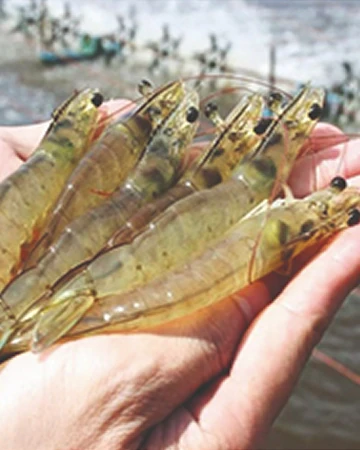
In the shrimp-farming business, probiotics are used to strengthen shrimp health and improve water quality, eliminating the need for antibiotics.
| No Antibiotic Use for Disease Prevention | No Antibiotic Use | |||
|---|---|---|---|---|
| Swine | Broiler Chicken | Meat Ducks | Layer Chicken | Shrimp |
Research and Development
Charoen Pokphand Group places importance on research, development, and innovation to advance animal husbandry and promote animal health and welfare throughout the value chain. Recognizing that healthy animals are fundamental to producing quality food and protein sources for consumers.
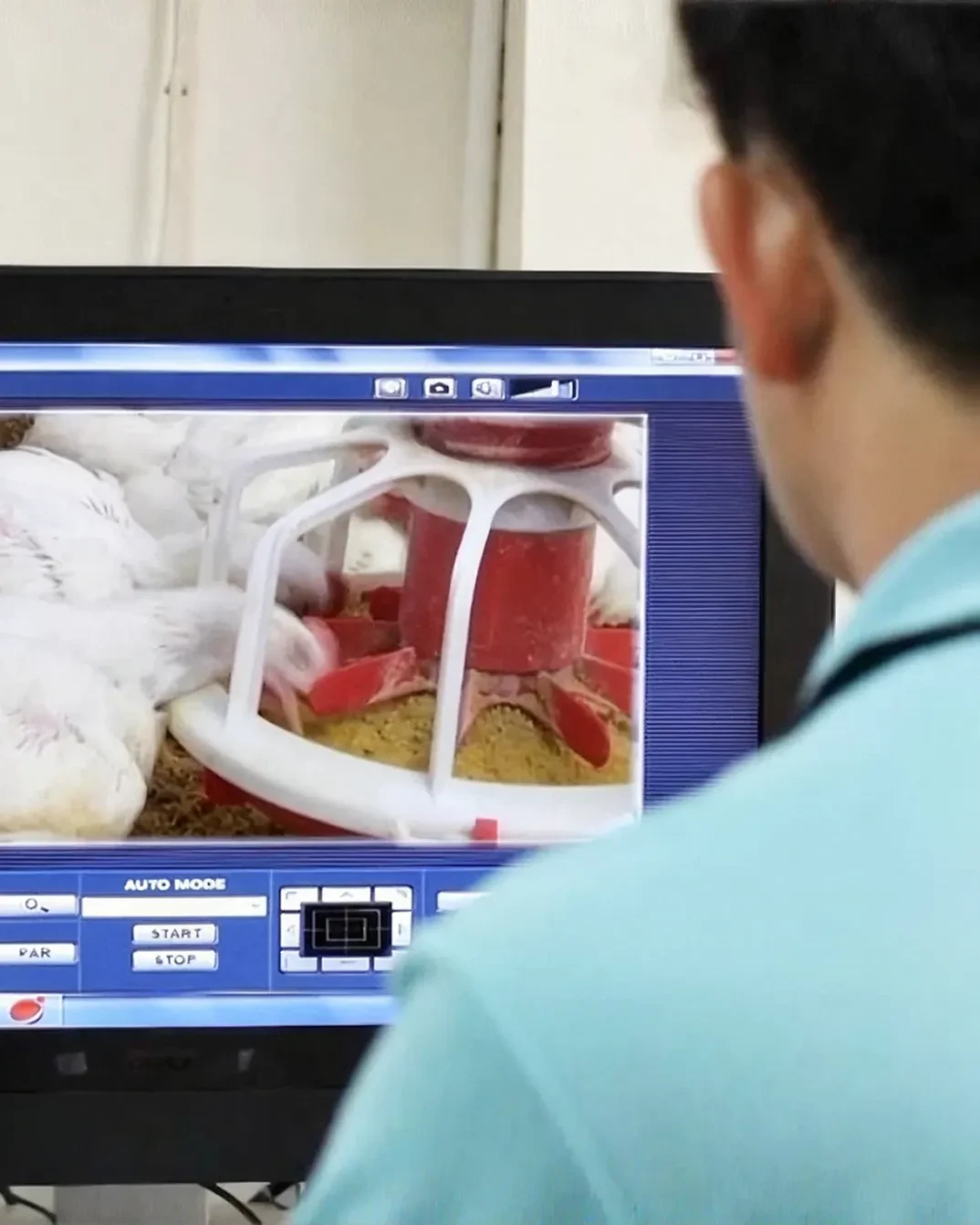
The business groups are committed to developing Precision Nutrition animal feed tailored to the nutritional requirements of each animal species and stage of life. Through animal feed research and innovation centers, together with engineering and biotechnology expertise, the business groups research and develop innovations such as probiotic-supplemented animal feed to support digestive system balance, enhance animal health and immunity, and reduce the risk of illness. Biosecurity systems are also implemented to mitigate the risks of disease and contamination within farms. In addition, digital technologies, automation, and artificial intelligence (AI) are applied to monitor animal health, growth, and rearing conditions, thereby enhancing farm management efficiency and continuously advancing animal welfare.
Animal Husbandry, Transportation, and Slaughter
Charoen Pokphand Group places importance on animals’ living conditions and enabling them to express their natural behaviors.
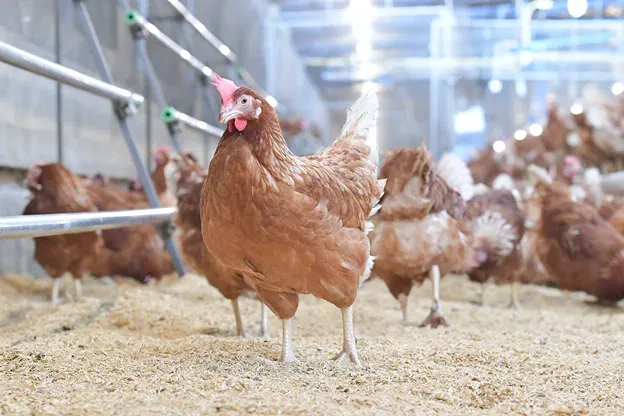
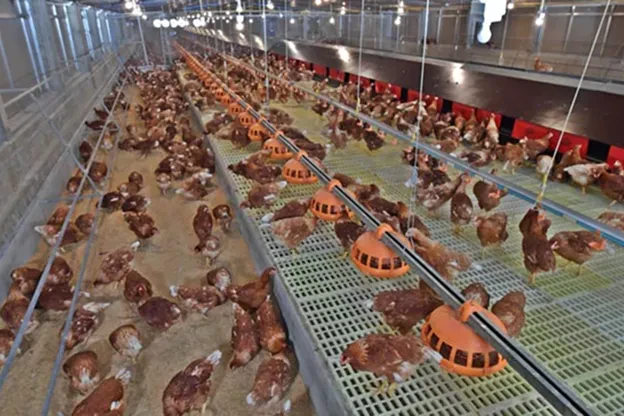
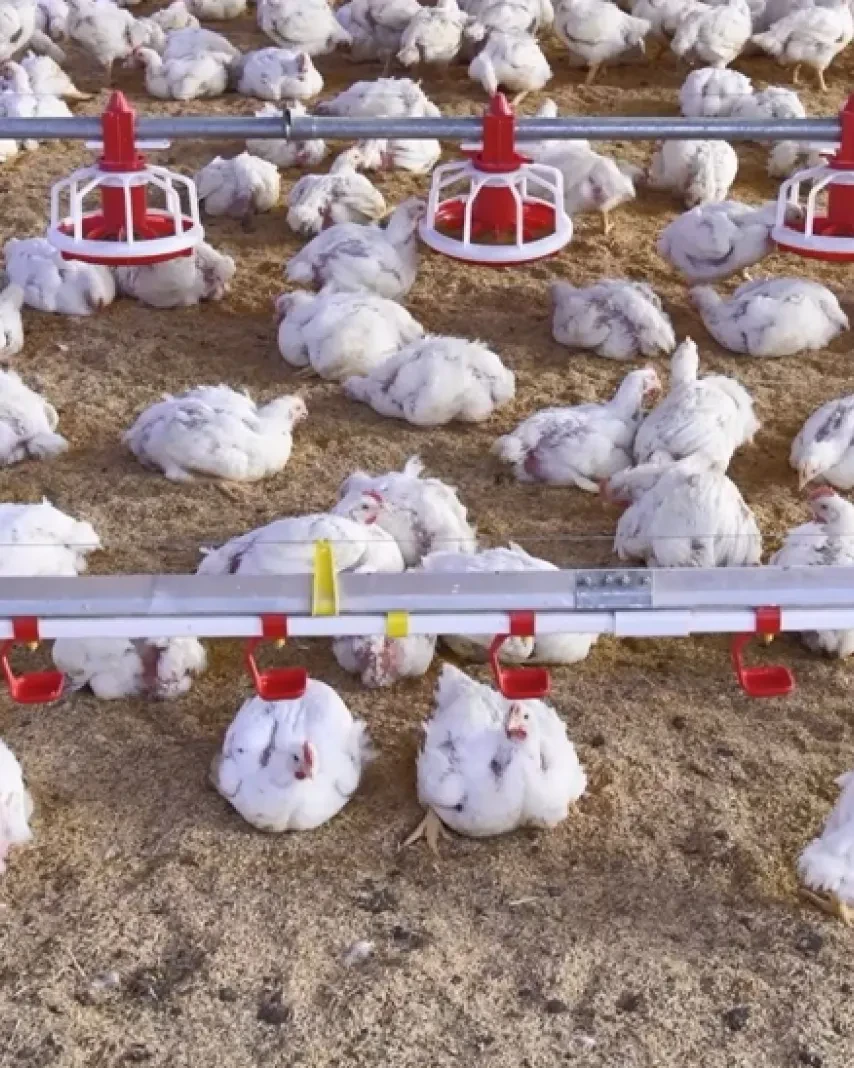
The business groups develop husbandry systems and environments appropriate for each animal species, including group housing for pigs and poultry, Group Gestation Housing for pregnant sows, and Cage-free housing for laying hens, to reduce restrictions on movement and support animals’ natural behaviors.
For the transportation and movement of live animals, the business groups manage operations in accordance with animal welfare principles, taking into account journey duration, temperature, and ventilation. Measures are also established to minimize stress, ensure gentle handling, and provide appropriate resting areas to promote animal well-being throughout the transportation process.
For the slaughter process, the business groups operate in accordance with animal welfare principles by rendering animals unconscious or insensible before slaughter through appropriate and accepted Stunning methods. This minimizes pain, stress, and suffering, with the aim of ensuring that animals entering the slaughter process are treated appropriately in accordance with animal welfare principles.
Examples of Implementation by Charoen Pokphand Foods Public Company Limited (CPF)
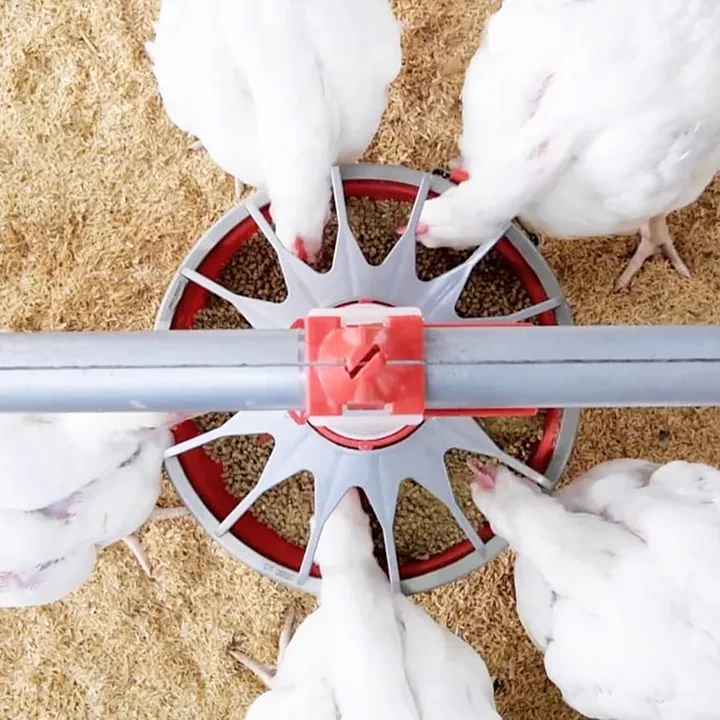
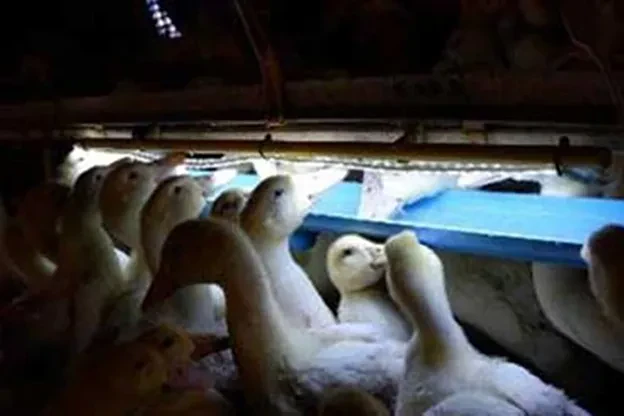
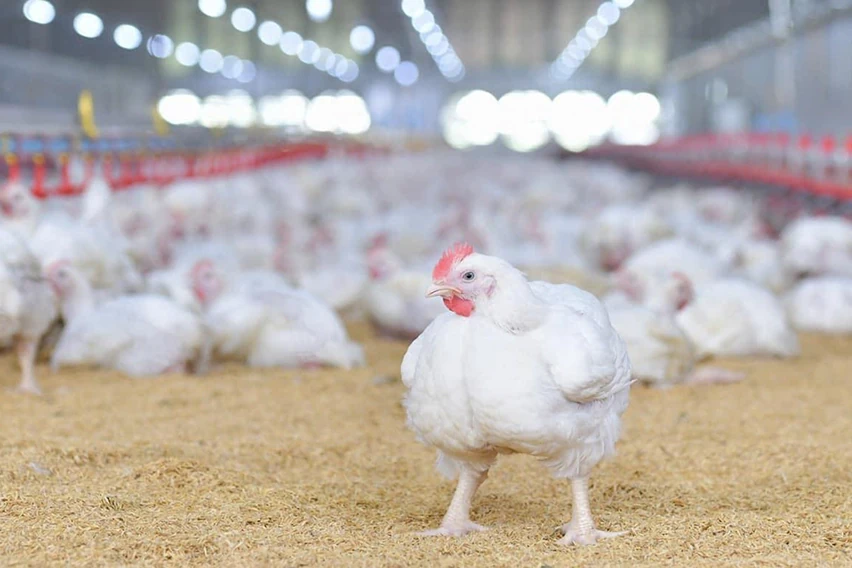
CPF places the utmost importance on ensuring comfortable living conditions for all animal species, without confinement in restrictive spaces, so that animals can fully express their natural behaviors. Across its operations in all countries, fattening pigs, breeder chickens, broiler chickens, breeder ducks, and meat ducks are raised in group housing systems with sufficient space to express their natural behaviors.
For breeding pigs, the Company has implemented group housing systems for gestating sows since 2000 and aims to achieve 100% conversion across Company-owned farms and the farms of farmers participating in the animal farming promotion program in all countries of operation by 2028. For laying hens, the Company is committed to transitioning from Conventional Cage to Cage-free housing. This transition commenced in its Thailand operations in 2019 at Wang Somboon Layer Farm in Saraburi Province.
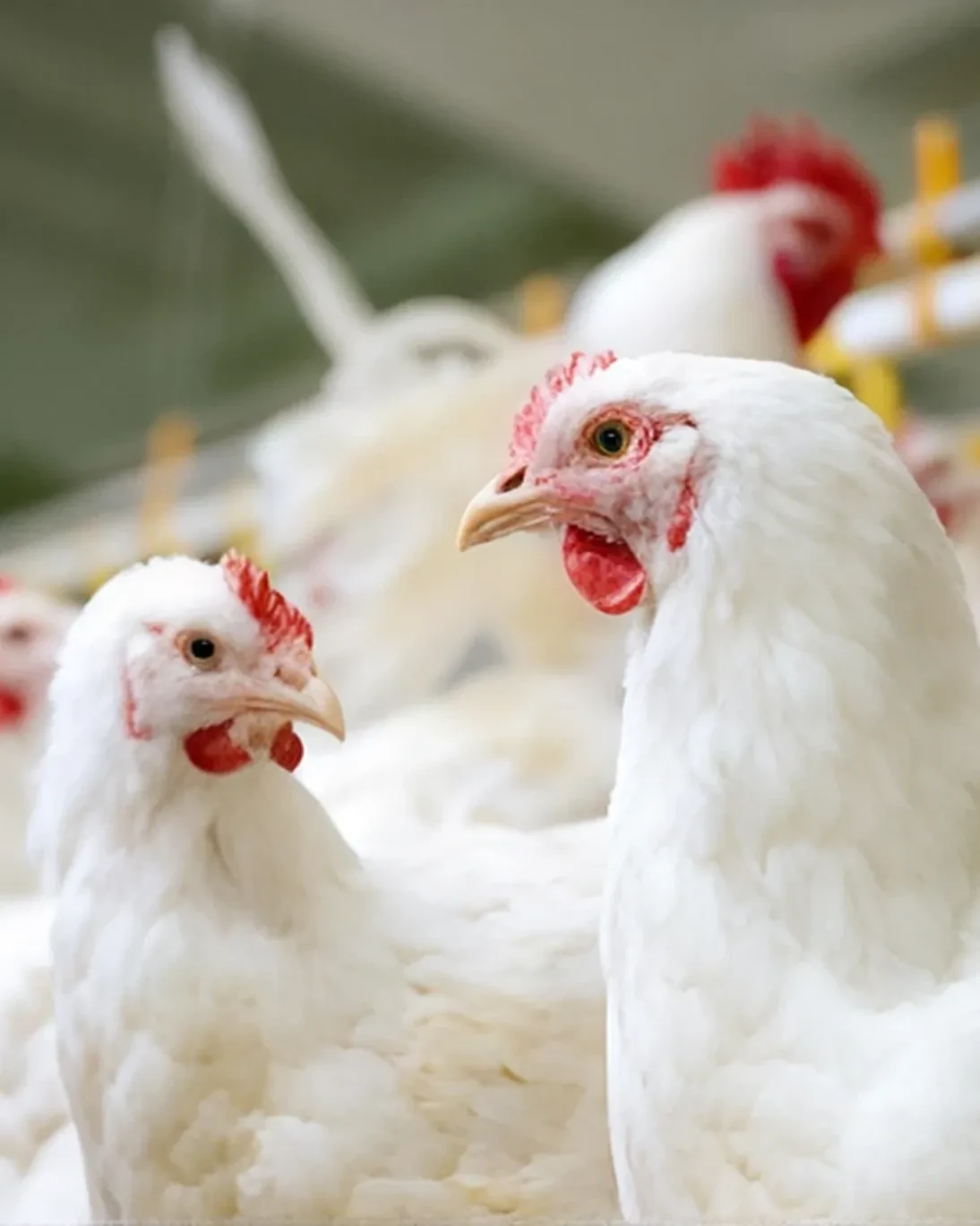

Good animal welfare practices are an essential foundation of livestock production. They promote animal health, reduce disease incidence and antibiotic use, produce high-quality, safe, and environmentally friendly products, and strengthen consumer confidence, thereby contributing to food security throughout a sustainable production chain.

At the same time, to align with animal welfare principles, the Company has established a clear policy to ensure that 100% of all live animal transportation in every country where it operates is completed within eight hours. The Company uses transport vehicles with appropriate temperature control and ventilation and plans animal-rearing areas near slaughterhouses to reduce transportation time. Where constraints make transportation exceeding eight hours necessary, the Company implements additional measures to minimize stress by stopping the vehicle every two hours to provide water and check the animals’ condition. Animals must also be unloaded gently in accordance with animal welfare principles. An Unloading Area with appropriate ventilation and temperature is provided to help the animals relax and remain calm.
| Animal Types | Average Live Animal Transportation Time* (Hours) | |
|---|---|---|
| 2024 | 2025 | |
| Broiler Chicken | 1.8 | 1.4 |
| Meat Duck | 3.0 | 3.9 |
| Layer Chicken | 2.0 | 0.6 |
| Swine | 4.0 | 2.9 |
| Shrimp | 2.3 | 3.2 |
Note : *Calculated based on live animal transportation times across all countries in which the Company operates.
In addition, CPF places importance on rendering animals unconscious or insensible before slaughter using internationally accepted methods. The Company aims to ensure that 100% of all animal species in every country where it invests in animal farming are rendered unconscious or insensible before being slaughtered at Company-operated slaughterhouses, so that they do not experience pain or suffering.
of all animal species entering the slaughter process at Company-operated slaughterhouses are rendered unconscious or insensible before slaughter.
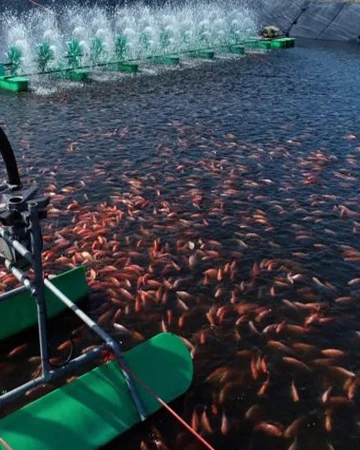
- Electrical stunning in a controlled water bath: Broiler chickens, meat ducks, laying hens, and fish
- Carbon dioxide gas or low-voltage electrical stunning: Pigs
- Ice: Shrimp
- Low-voltage electrical stunning: Shrimp (in some operations)
Promoting Best Practices in Animal Welfare
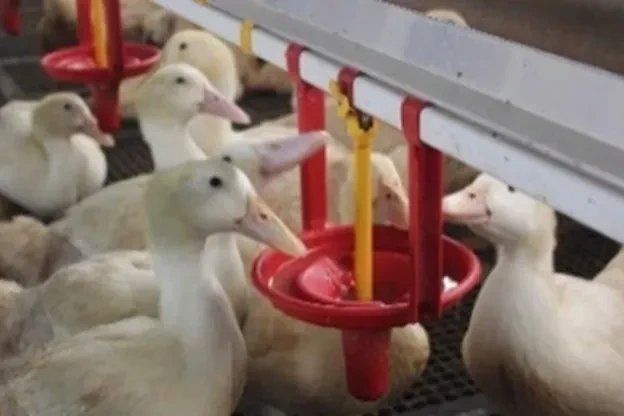
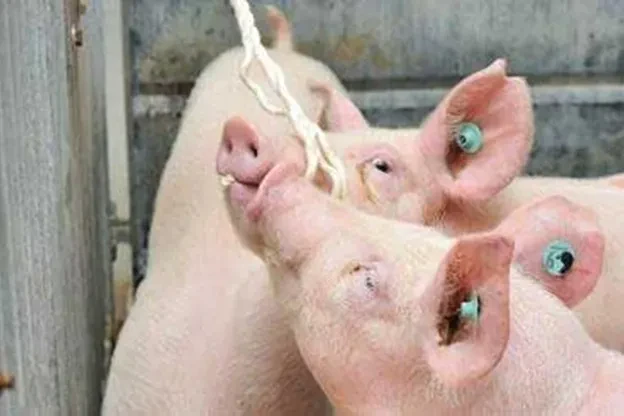
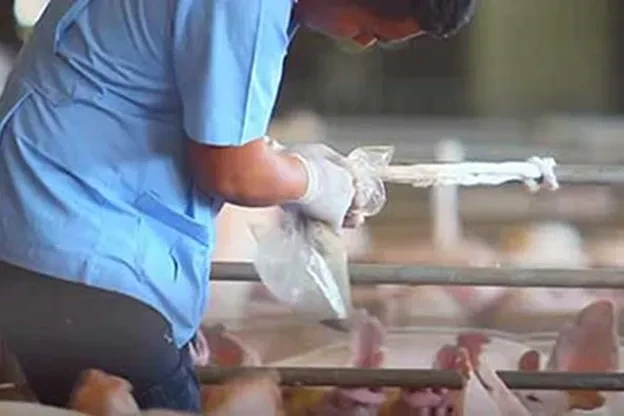
Environmental Enrichment for Animal Housing
Charoen Pokphand Group places importance on promoting animal welfare throughout the value chain, recognizing that providing an appropriate physical environment is essential to meeting animals’ basic needs and enabling them to express their natural behaviors.
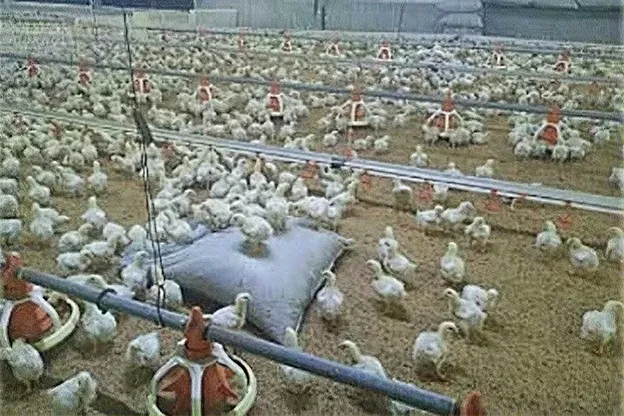
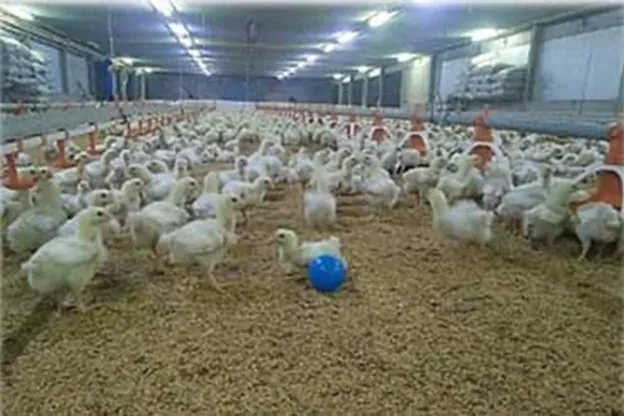
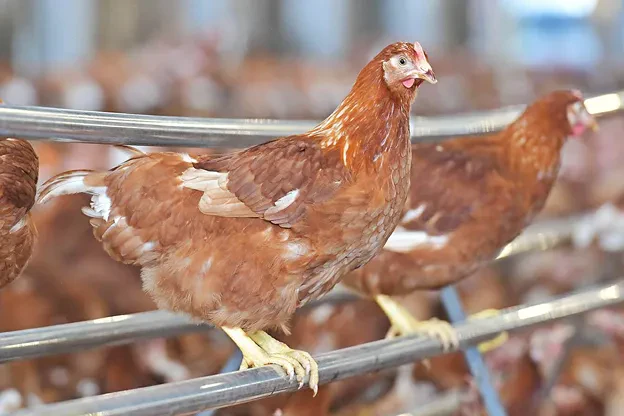
The Group therefore encourages relevant business groups to apply environmental enrichment principles in ways appropriate to each animal species, farming system, and operational context in each country. These efforts aim to reduce physical discomfort and stress while promoting animal well-being and natural behaviors.

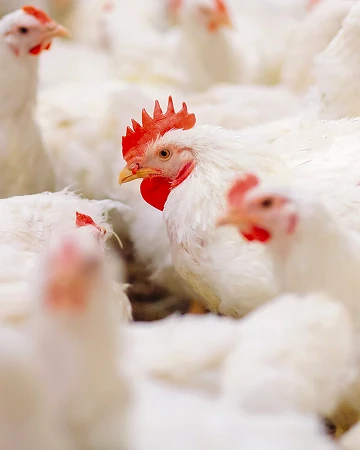
Broiler Chickens

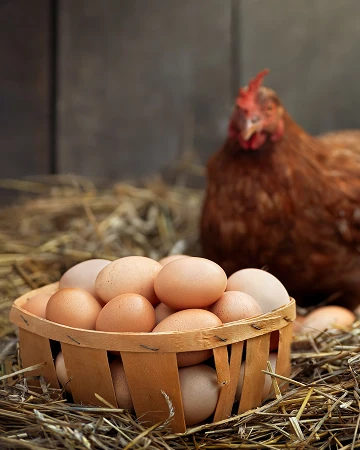
Layer Chicken

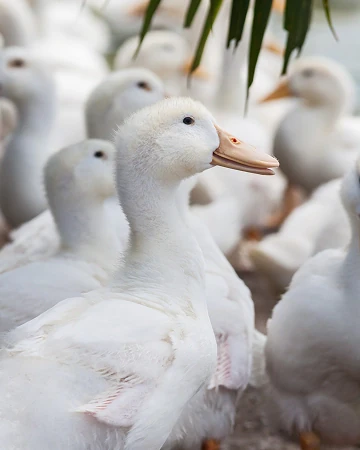
Meat Duck

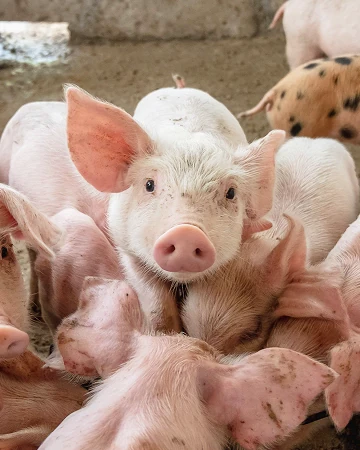
Swine
Charoen Pokphand Group is dedicated to advancing sustainable livestock farming by leveraging innovation and smart technologies as key enablers.
The Group has transitioned from traditional farming methods to Smart Farming, integrating modern technologies such as the Internet of Things (IoT), Artificial Intelligence (AI), and automated sensor systems to monitor animal health in real-time. This approach helps reduce animal stress, prevent disease outbreaks, and ensure animal welfare in accordance with international standards. We apply the ethical animal husbandry framework based on the Five Freedoms to all animals in our care, both terrestrial and aquatic. Our practices emphasize comprehensive animal health management, minimize the use of antibiotics and growth hormones, and enforce strict biosecurity systems to prevent disease.
Additionally, we utilize advanced data technologies such as Big Data and cloud systems to analyze health trends and plan animal husbandry operations with greater precision. This not only boosts production efficiency and reduces long-term costs but also enhances food safety across the supply chain. The Group also adopts Probiotic Farming methods to maintain animal health naturally, reducing dependence on antibiotics. We are committed to developing environmentally friendly smart farm technologies that efficiently manage water quality and environmental conditions, while digital data systems support precision breeding and logistics planning aligned with market demand. Furthermore, the Group actively encourages farmers and suppliers to adopt these technologies to raise animal welfare standards across both livestock and aquaculture sectors. These efforts contribute to food security and help improve the quality of life for farmers, communities, and consumers in a sustainable manner.
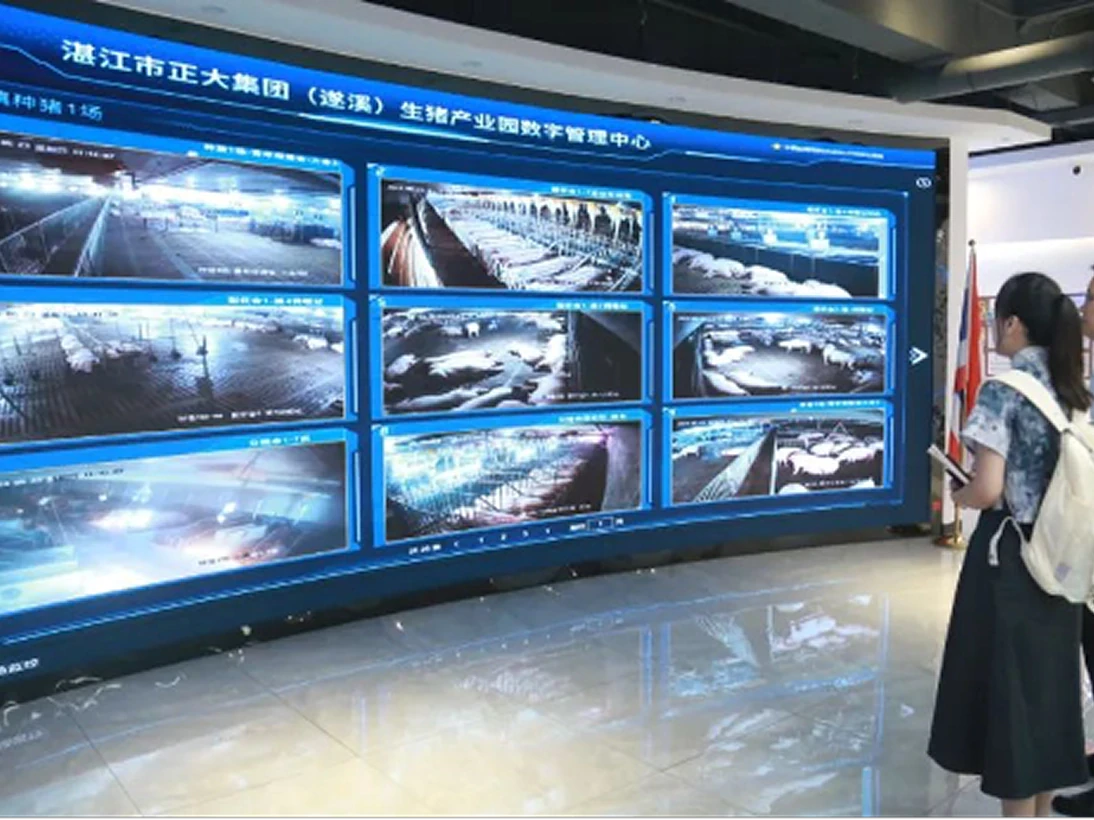
Suizhou Smart Pig Farm: Advancing Pig Farming with Animal Welfare and Intelligent Technology
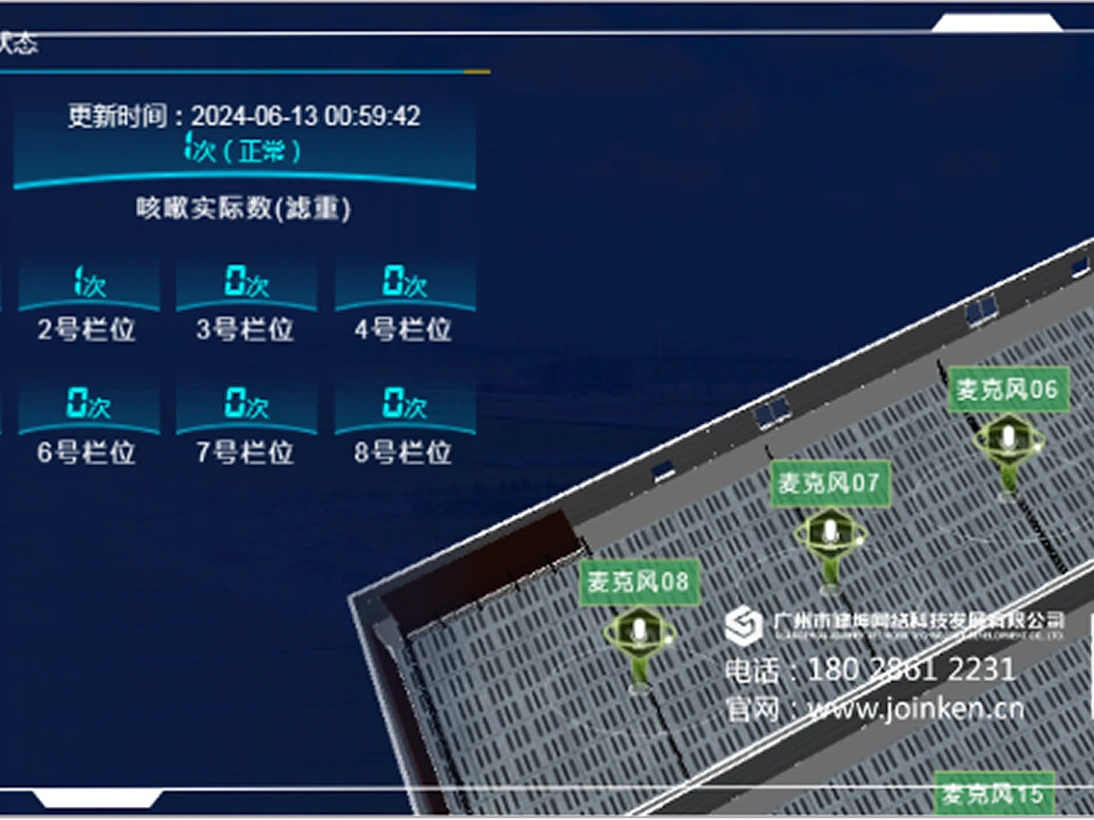
Charoen Pokphand Group’s Suizhou Industrial Estate in China is setting new standards in sustainable pig farming by integrating smart technologies across every stage of the production process—from animal rearing and environmental management to clean energy generation. The project is designed to promote animal welfare by maintaining optimal environmental conditions, reducing reliance on manual labor, and enhancing precision in animal care. Key technologies implemented include:
- Automated feeding systems and climate control to regulate temperature and humidity year-round within pig housing
- Artificial Intelligence (AI) systems that support pig care, enabling just 5 workers to manage up to 30,000 pigs annually
- Electronic ear tags for individual identification and health monitoring, including breeding cycles, feed intake, and overall health
- AI-powered cough sound analysis to detect and screen for respiratory diseases with high accuracy
Currently, C.P. Group in China operates 80 smart-enabled production facilities that meet international standards and collectively produce over 1 million pigs annually.
Vision AI-Based Chicken Weight Estimation
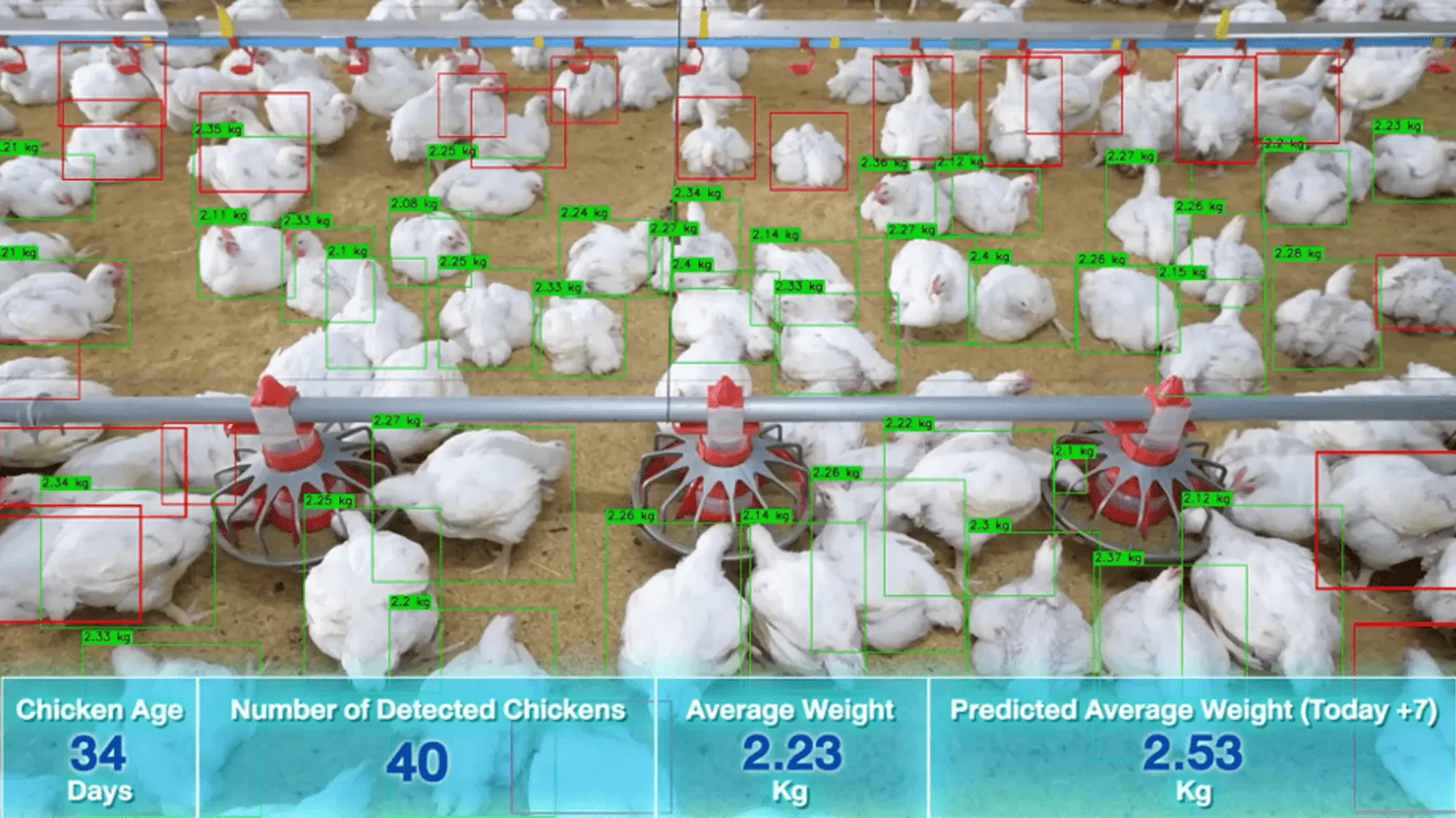
Conventional animal weighing requires labor and time, while handling animals for weighing may cause stress and affect animal welfare. The movement of personnel into and out of animal housing may also increase the risk of introducing pathogens into rearing areas. In addition, periodic sample weighing may not reflect continuous growth trends, limiting the ability to detect abnormalities at an early stage.
Charoen Pokphand Foods Public Company Limited (CPF) has therefore developed Vision AI-Based Chicken Weight Estimation, which uses AI to analyze camera images to estimate average weight, monitor and forecast growth trends, and issue alerts when abnormalities are detected. The system reduces the need to handle chickens for weighing, minimizes disturbance and stress, supports animal welfare and Biosecurity measures, and provides caretakers with data to enhance the efficiency of feed planning, housing management, and production.
Note: The system’s outputs are estimates intended to support decision-making. Accuracy may vary depending on environmental conditions, such as lighting, camera angles, animal density, and housing conditions. The results should therefore be verified against actual data, while the system should be regularly calibrated and its performance monitored.
WeChat Mini Program “Agro-pastoral”
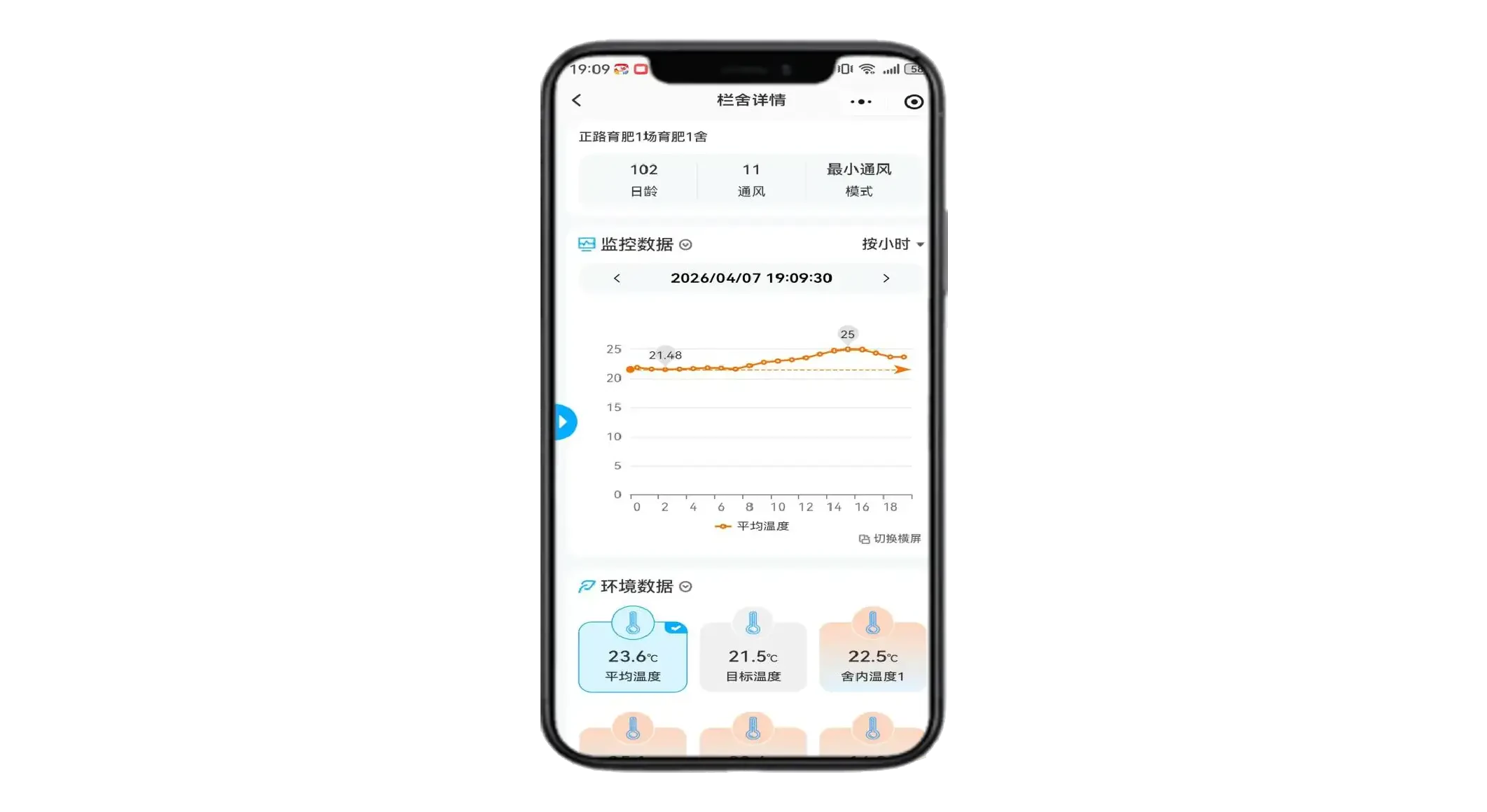
CP Jingtai Breeding Pig Co., Ltd., China, is committed to advancing animal welfare and pig-farming efficiency through the application of digital technologies. The Company developed the “Agro-pastoral” Mini Program on the WeChat platform to address the limitations of conventional pig farming and modernize farm management. The system integrates Internet of Things (IoT) technology for real-time data collection, Artificial Intelligence (AI) to provide early alerts on pig health and optimize feeding, and Blockchain to support traceability throughout the production cycle. This enables farmers to monitor animal health and manage their farms with greater accuracy and efficiency. The application of these systems significantly reduces costs and feed losses while enhancing animal welfare, improving farm efficiency and profitability, strengthening confidence in food safety, and providing a model that can be scaled to support the broader development of modern agriculture.
Smart Diagnosis Application
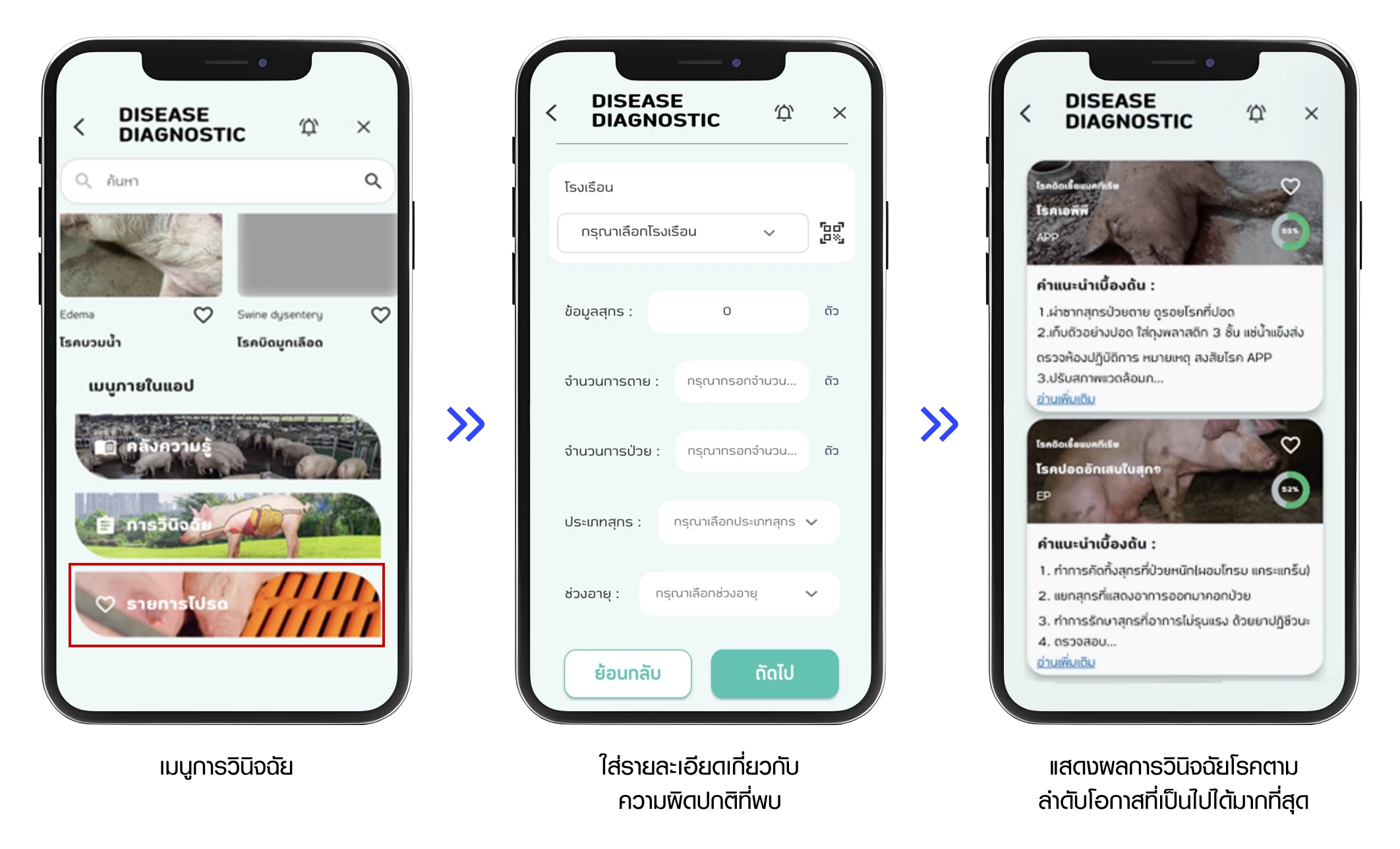
Developed as a digital technology to support farm personnel and stakeholders in managing basic swine health issues. The application consists of three main components:
- Academic articles on swine farming and updates on disease outbreaks, providing timely information.
- A knowledge base of major swine diseases, offering detailed information and preliminary management guidance.
- A swine disease diagnosis feature, allowing initial diagnosis when sick pigs are detected and suggesting appropriate management actions.
Animal Welfare Promotion in the Supply Chain
Charoen Pokphand Group places strong emphasis on animal welfare at every stage of the food production process to ensure safety, quality, and sustainability. We are committed to advancing animal farming practices that prioritize animal well-being in a systematic way, applying internationally recognized standards in practice.
One of the key approaches adopted by the Group is the use of Welfare Outcome Measures (WOMs) to assess and improve animal welfare standards across both domestic and international operations. These assessments consider core factors such as survival rates, growth, loss, animal quality, and natural behaviors, ensuring animals are healthy in both body and mind.
Data on Animal Welfare Promotion

Welfare Outcome Measures (WOMs) across Charoen Pokphand Group’s Global Supply Chain in 2025
WOM
Transport Livability (%)
| Year | % |
|---|---|
| 2025 | 99.75i |
| 2024 | 99.91 |
| 2023 | 99.80 |
| 2022 | 99.82 |
Assessment of Animal Welfare Performance in the Group’s Core Products in the Global Value Chain in 2025
Animal Welfare Promotion
-
i Covers operations in the following countries and economies: Thailand, Vietnam, Taiwan, Cambodia, and Malaysia.
-
ii Covers operations in the following countries and economies: Thailand, Vietnam, and Taiwan.
-
iii Covers operations in the following countries and economies: Thailand, Vietnam, Taiwan, Cambodia, andMalaysia, with cage-free housing systems implemented in Thailand and Taiwan operations.
-
iv Covers operations in the following countries and economies: Thailand, Vietnam, Taiwan, Cambodia, and Malaysia, with group-housing systems for sows implemented in Thailand, Vietnam, Taiwan, and Cambodia operations.
-
v Covers operations in the following countries: Vietnam and the Philippines.
-
vi Covers operations in the following countries: Vietnam.


Welfare Outcome Measures (WOMs) across Charoen Pokphand Group’s Global Supply Chain in 2025
WOM
Transport Livability (%)
| Year | % |
|---|---|
| 2025 | 98.22iii |
| 2024 | 98.03 |
| 2023 | 98.21 |
| 2022 | 99.98 |
Assessment of Animal Welfare Performance in the Group’s Core Products in the Global Value Chain in 2025
Animal Welfare Promotion
-
i Covers operations in the following countries and economies: Thailand, Vietnam, Taiwan, Cambodia, and Malaysia.
-
ii Covers operations in the following countries and economies: Thailand, Vietnam, and Taiwan.
-
iii Covers operations in the following countries and economies: Thailand, Vietnam, Taiwan, Cambodia, andMalaysia, with cage-free housing systems implemented in Thailand and Taiwan operations.
-
iv Covers operations in the following countries and economies: Thailand, Vietnam, Taiwan, Cambodia, and Malaysia, with group-housing systems for sows implemented in Thailand, Vietnam, Taiwan, and Cambodia operations.
-
v Covers operations in the following countries: Vietnam and the Philippines.
-
vi Covers operations in the following countries: Vietnam.


Welfare Outcome Measures (WOMs) across Charoen Pokphand Group’s Global Supply Chain in 2025
WOM
Transport Livability (%)
| Year | % |
|---|---|
| 2025 | 99.84ii |
| 2024 | 99.88 |
| 2023 | 99.02 |
| 2022 | 99.86 |
Assessment of Animal Welfare Performance in the Group’s Core Products in the Global Value Chain in 2025
Animal Welfare Promotion
-
i Covers operations in the following countries and economies: Thailand, Vietnam, Taiwan, Cambodia, and Malaysia.
-
ii Covers operations in the following countries and economies: Thailand, Vietnam, and Taiwan.
-
iii Covers operations in the following countries and economies: Thailand, Vietnam, Taiwan, Cambodia, andMalaysia, with cage-free housing systems implemented in Thailand and Taiwan operations.
-
iv Covers operations in the following countries and economies: Thailand, Vietnam, Taiwan, Cambodia, and Malaysia, with group-housing systems for sows implemented in Thailand, Vietnam, Taiwan, and Cambodia operations.
-
v Covers operations in the following countries: Vietnam and the Philippines.
-
vi Covers operations in the following countries: Vietnam.


Welfare Outcome Measures (WOMs) across Charoen Pokphand Group’s Global Supply Chain in 2025
WOM
Sow Survival Rate (%)
| Year | % |
|---|---|
| 2025 | 95.63iv |
| 2024 | 96.41 |
| 2023 | 96.86 |
| 2022 | 98.02 |
Assessment of Animal Welfare Performance in the Group’s Core Products in the Global Value Chain in 2025
Animal Welfare Promotion
-
i Covers operations in the following countries and economies: Thailand, Vietnam, Taiwan, Cambodia, and Malaysia.
-
ii Covers operations in the following countries and economies: Thailand, Vietnam, and Taiwan.
-
iii Covers operations in the following countries and economies: Thailand, Vietnam, Taiwan, Cambodia, andMalaysia, with cage-free housing systems implemented in Thailand and Taiwan operations.
-
iv Covers operations in the following countries and economies: Thailand, Vietnam, Taiwan, Cambodia, and Malaysia, with group-housing systems for sows implemented in Thailand, Vietnam, Taiwan, and Cambodia operations.
-
v Covers operations in the following countries: Vietnam and the Philippines.
-
vi Covers operations in the following countries: Vietnam.


Welfare Outcome Measures (WOMs) across Charoen Pokphand Group’s Global Supply Chain in 2025
WOM
Black Scar Lesion (%)
| Year | % |
|---|---|
| 2025 | 21.56v |
| 2024 | 0.52 |
| 2023 | 3.13 |
Assessment of Animal Welfare Performance in the Group’s Core Products in the Global Value Chain in 2025
Animal Welfare Promotion
-
i Covers operations in the following countries and economies: Thailand, Vietnam, Taiwan, Cambodia, and Malaysia.
-
ii Covers operations in the following countries and economies: Thailand, Vietnam, and Taiwan.
-
iii Covers operations in the following countries and economies: Thailand, Vietnam, Taiwan, Cambodia, andMalaysia, with cage-free housing systems implemented in Thailand and Taiwan operations.
-
iv Covers operations in the following countries and economies: Thailand, Vietnam, Taiwan, Cambodia, and Malaysia, with group-housing systems for sows implemented in Thailand, Vietnam, Taiwan, and Cambodia operations.
-
v Covers operations in the following countries: Vietnam and the Philippines.
-
vi Covers operations in the following countries: Vietnam.


Welfare Outcome Measures (WOMs) across Charoen Pokphand Group’s Global Supply Chain in 2024
WOM
Transport Livability (%)
| Year | % |
|---|---|
| 2024 | 98.88vi |
| 2023 | 99.07 |
| 2022 | 99.90 |
Assessment of Animal Welfare Performance in the Group’s Core Products in the Global Value Chain in 2025
Animal Welfare Promotion
-
i Covers operations in the following countries and economies: Thailand, Vietnam, Taiwan, Cambodia, and Malaysia.
-
ii Covers operations in the following countries and economies: Thailand, Vietnam, and Taiwan.
-
iii Covers operations in the following countries and economies: Thailand, Vietnam, Taiwan, Cambodia, andMalaysia, with cage-free housing systems implemented in Thailand and Taiwan operations.
-
iv Covers operations in the following countries and economies: Thailand, Vietnam, Taiwan, Cambodia, and Malaysia, with group-housing systems for sows implemented in Thailand, Vietnam, Taiwan, and Cambodia operations.
-
v Covers operations in the following countries: Vietnam and the Philippines.
-
vi Covers operations in the following countries: Vietnam.

Building Knowledge and Awareness of Animal Welfare
Charoen Pokphand Group places importance on enhancing the knowledge and capabilities of personnel and individuals involved in animal care, enabling them to treat animals appropriately in terms of both physical and mental well-being in accordance with animal welfare principles. This is undertaken alongside strengthening knowledge of animal disease prevention and control. The Group encourages its business groups to transfer relevant knowledge and appropriate practices through veterinary teams and specialists to farm managers, animal husbandry personnel, relevant officers, and farmers participating in animal farming promotion programs.
In addition, the Group continuously promotes awareness and advances animal welfare knowledge through meetings, seminars, on-the-job learning, and practical training workshops, as well as international animal welfare committee meetings. These activities support performance monitoring, the exchange of knowledge and good practices, and the advancement of animal welfare operations in alignment with the Group’s guidelines and applicable standards in each country.
Charoen Pokphand Foods Public Company Limited (CPF) conducts training on an ongoing basis, with the goal of having PWO personnel stationed in every country where the Company operates. Training for personnel in overseas operations commenced in 2017, and the Company has achieved 100% of its target since 2019. The most recent practical workshop was held in Thailand on October 15–16, 2025, and was conducted by animal welfare experts from AW Training in the United Kingdom.
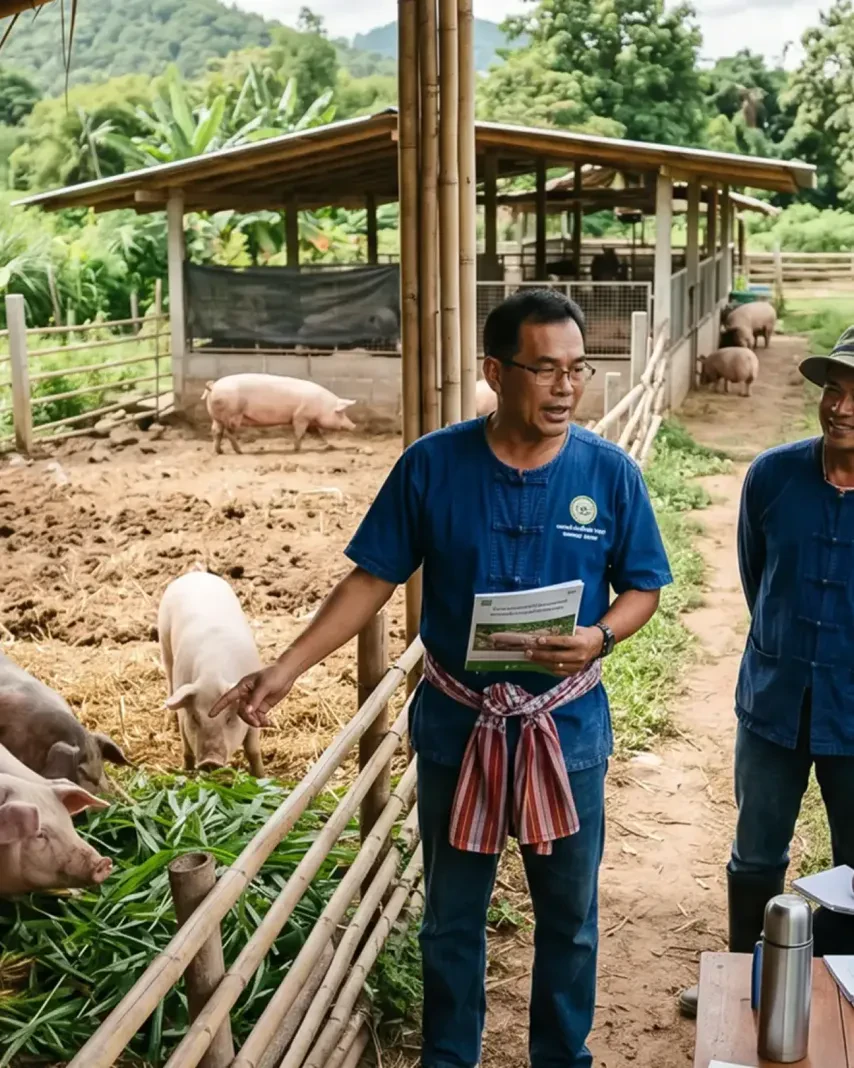
Charoen Pokphand Foods Public Company Limited (CPF)’s swine business in Thailand provides annual Swine Health and Welfare training in an e-Learning format for employees at Company-owned farms and the farms of farmers participating in the animal farming promotion program. The training covers animal welfare, the Five Freedoms, swine behavior, and animal welfare during slaughter and transportation, among other topics, to ensure that all employees treat pigs in accordance with good animal welfare practices.
In addition, the Company transfers animal welfare knowledge to farmers in surrounding areas by enhancing their understanding of major animal diseases and proactive disease prevention, as well as supporting disease-prevention vaccinations for members of the public and farmers. These efforts promote disease prevention and strengthen the capabilities of safe food producers for consumers.
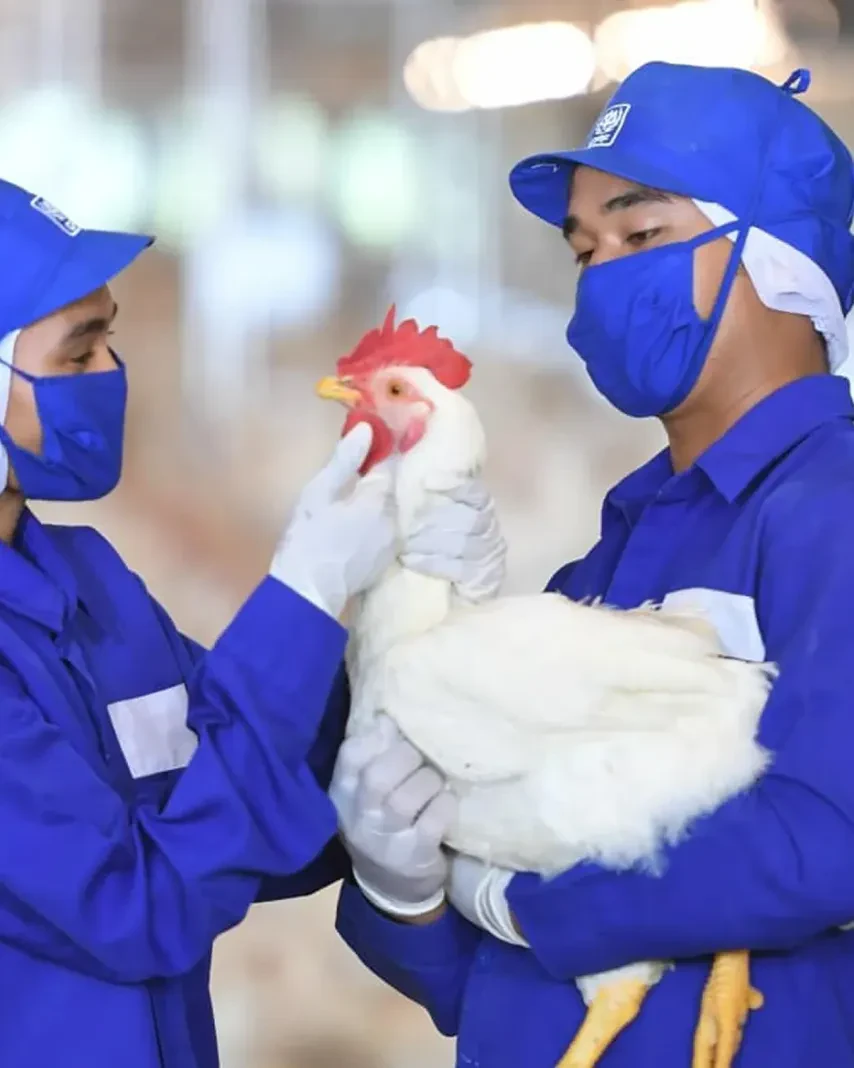
Committed to delivering quality animal protein produced in accordance with good animal welfare practices to consumers, the Company has assessed animal welfare performance across its key products.
Assessment and Certification
All livestock farms operated by the company and by farmers under the livestock promotion program, both in Thailand and internationally, undergo assessments at least once every three years. These farms are certified by the respective national Departments of Livestock for meeting livestock product standards,
which include animal welfare management in alignment with Good Agricultural Practice (GAP) and Good Manufacturing Practice (GMP) systems. Through our strong commitment to animal welfare management, we ensure that all our fresh and processed meat products, whether under our own brands, customer brands, or sold domestically and internationally, originate from farms that are high-quality, hygienic, and safe for consumers.
Broiler
Thailand: Global GAP by Control Union International, Farm F1rst Poultry Welfare Standard by Lloyd's Register UK, Compartmentalization System, Raised without Antibiotics (RWS) by NSF, National Sanitation Foundation Global Animal Wellness Standards (NSF GAWS)
Meat Duck
Thailand: Farm F1rst Poultry Welfare Standard by Lloyd’ s Register UK, Compartmentalization System
Layer
Thailand and Republic of China (Taiwan): (Cage-free Eggs Standard)
Swine
Thailand: Raised Without Antibiotics (RWA) by NSF
Shrimp
Thailand, Vietnam and India: Best Aquaculture Practices (BAP)
Thailand and India: Aquaculture Stewardship Council (ASC)
Fish
Vietnam: Aquaculture Stewardship Council (ASC)
Remark: i The certification does not yet cover all farms.
Collaboration and Partner Network Building
Charoen Pokphand Group recognizes that advancing animal welfare standards requires strong collaboration and partnerships with government agencies and private sector stakeholders. These partnerships help raise animal care standards in alignment with international benchmarks
while enhancing animal care capabilities through training and innovation. Knowledge-sharing among partners encourages the adoption of new approaches to animal care, improving both animal quality of life and production efficiency. Additionally, transparency in operations strengthens consumer trust and confidence in our practices.
Seafood Task Force (STF)
Charoen Pokphand Foods Public Company Limited (CPF) has continuously collaborated with the Seafood Task Force (STF), an international collaborative organization comprising leading seafood businesses, retailers, non-governmental organizations, and experts. The collaboration aims to advance responsibility throughout the shrimp and seafood supply chains, focusing on the protection of human and labor rights, the promotion of sustainable fisheries and aquaculture, and enhanced supply chain transparency and traceability. The Seafood Task Force operates through Working Sub-Groups comprising representatives from member companies and expert organizations to develop good practices, standards, and tools for managing labor and environmental risks in the farmed shrimp and seafood industries.
The Company is one of the founding members and plays an important role in advancing the organization’s activities. Over the past year, the Company has contributed to the exchange of knowledge, experience, and good practices in responsible labor management, raw material traceability, and supply chain risk assessment. These efforts support the development of an operational framework aligned with international human rights principles and enhance stakeholder confidence throughout the supply chain. This collaboration contributes to raising the overall business operating standards of the Company and its fellow members while strengthening the industry’s transparency, accountability, and long-term sustainability.