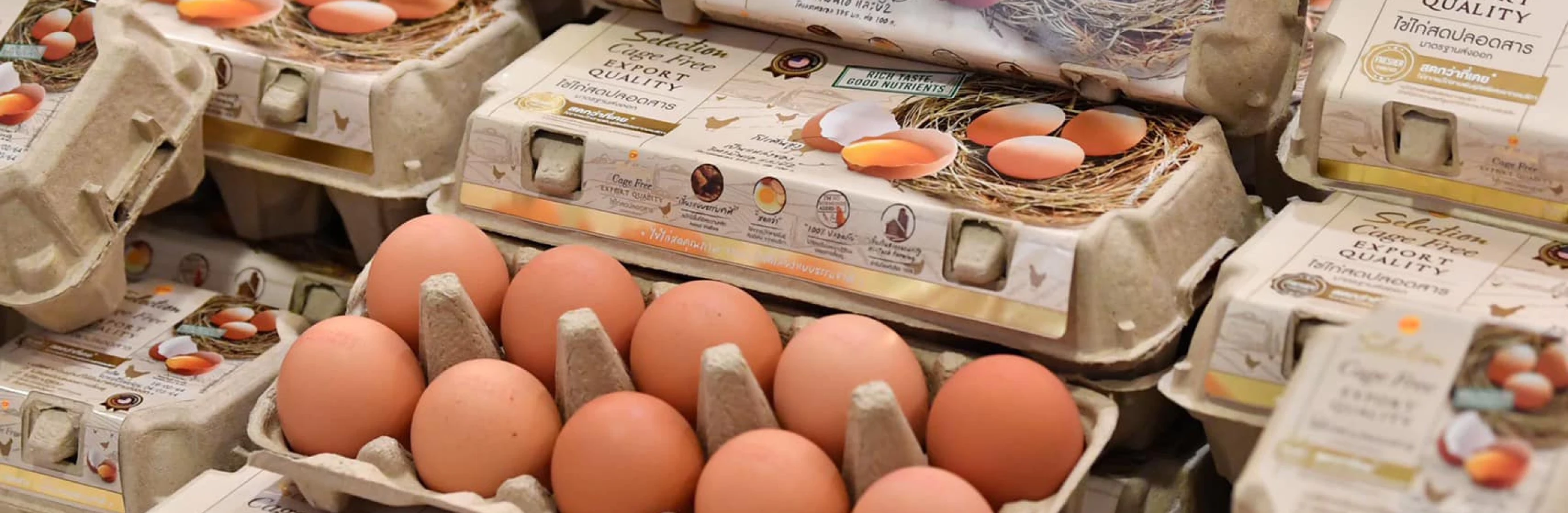
Transparent and Comprehensive Product Information Disclosure

using product labeling as a key tool to inform consumers and raise awareness about making choices that align with their health and lifestyle. CP’s labels are designed to be clear, easy to understand, comprehensive, and traceable, supporting responsible consumption and promoting overall well-being. To ensure label information aligns with international standards, the Group continuously monitors and assesses updates in food-related laws and regulations. Labeling guidelines are set to include essential information such as key ingredients, recommended daily intake, safe usage instructions, and proper storage methods, enabling consumers to make informed decisions. Additionally, the Group prioritizes consumer-friendly communication by providing clear labeling on both the front and back of packaging. Labels include allergen warnings and easily understood nutritional information, ensuring accessibility for all consumer groups. The Group is also advancing product labeling to reflect sustainability attributes, incorporating information such as carbon footprint and animal welfare on selected products. This empowers consumers to choose food that supports their health, respects the environment, and contributes positively to society.
Nutritional Information
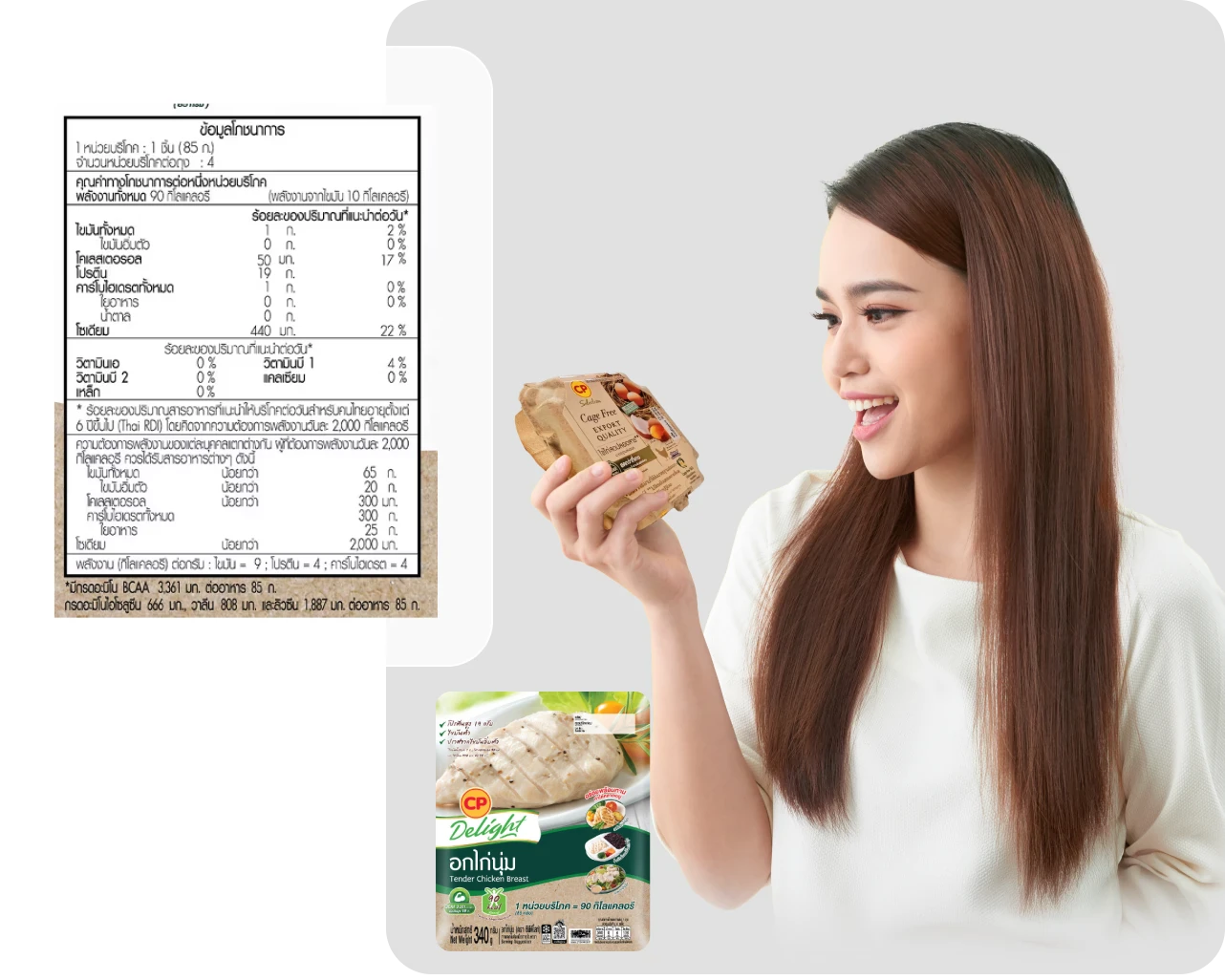
Includes key ingredients, usage instructions, storage recommendations, and nutrition facts as required by law.
Guideline Daily Amounts (GDA)
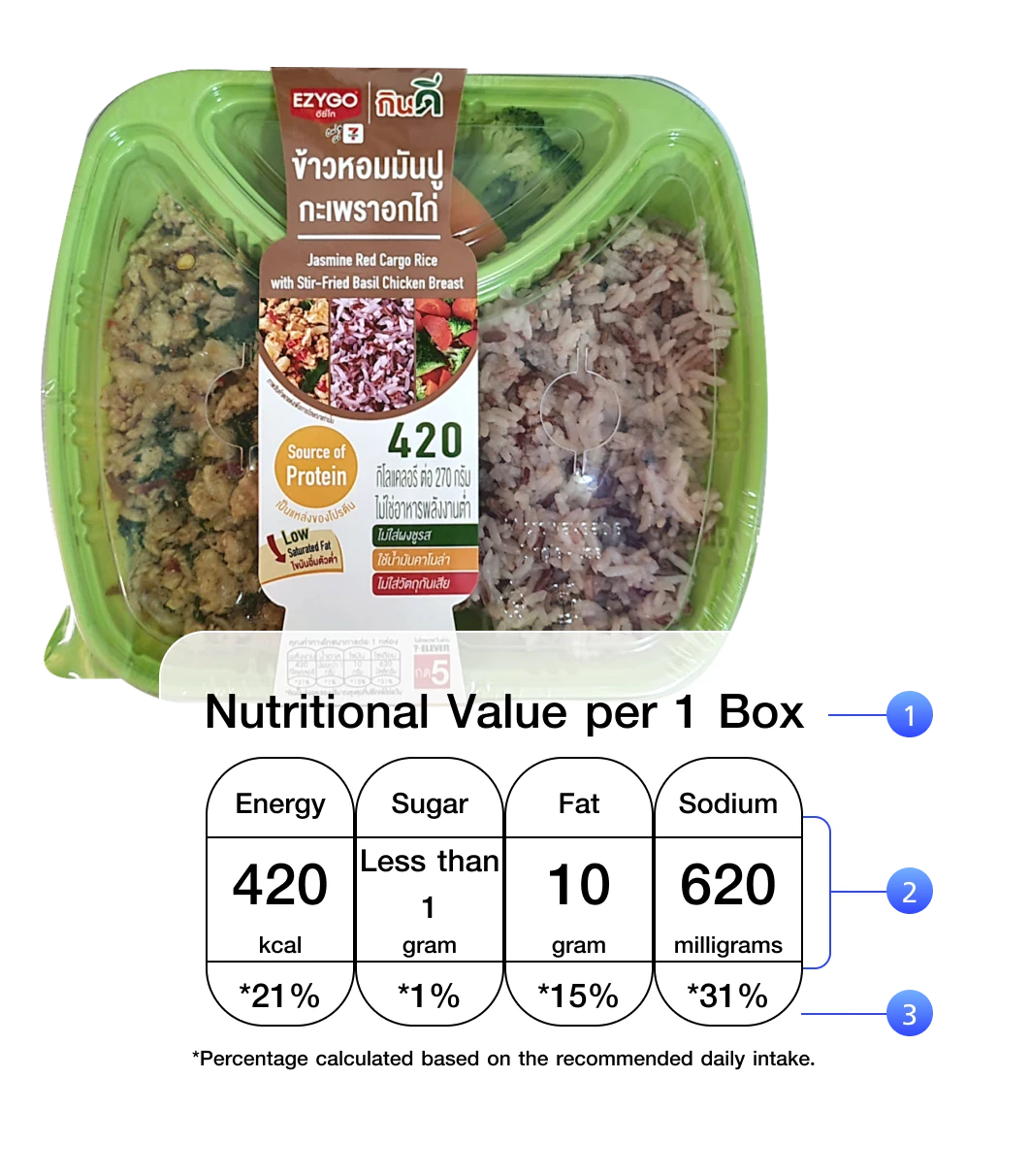
Key Information Includes:
- Nutritional value per serving Presents an easy-to-understand amount based on one unit of the packaging.
- Energy (kilocalories), sugar (grams), fat (grams), and sodium (milligrams) Indicates the total intake of each nutrient if the product is consumed in a single sitting (i.e., the entire package).
-
Percentage of recommended daily intake – Shows how much the energy, sugar, fat, and sodium contribute to the maximum daily intake, based on the following reference values:
- Energy: based on 2,000 kilocalories
- Sugar: based on 65 grams
- Fat: based on 65 grams
- Sodium: based on 2,400 milligrams
Specific Information

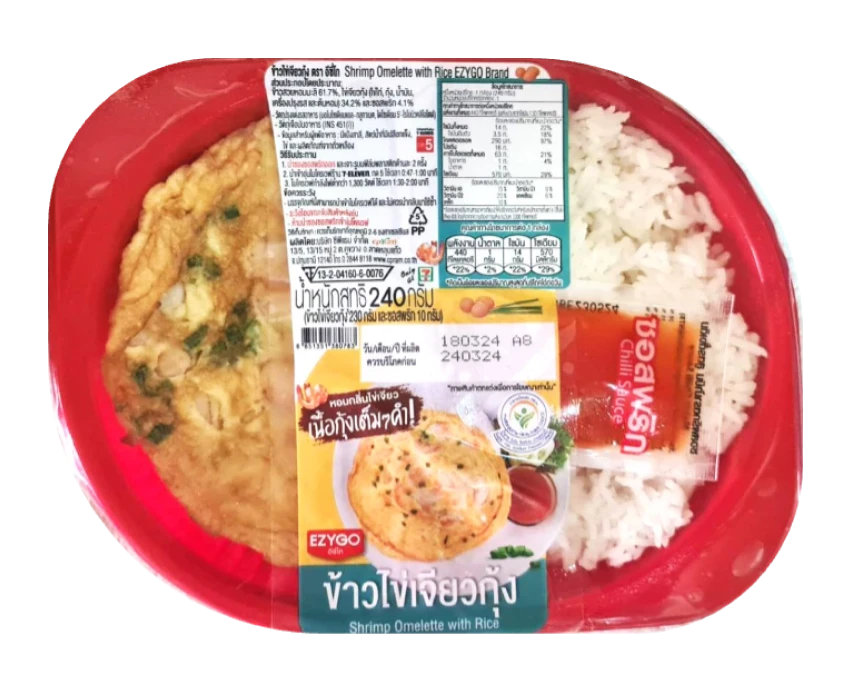
Healthier Choice Symbol
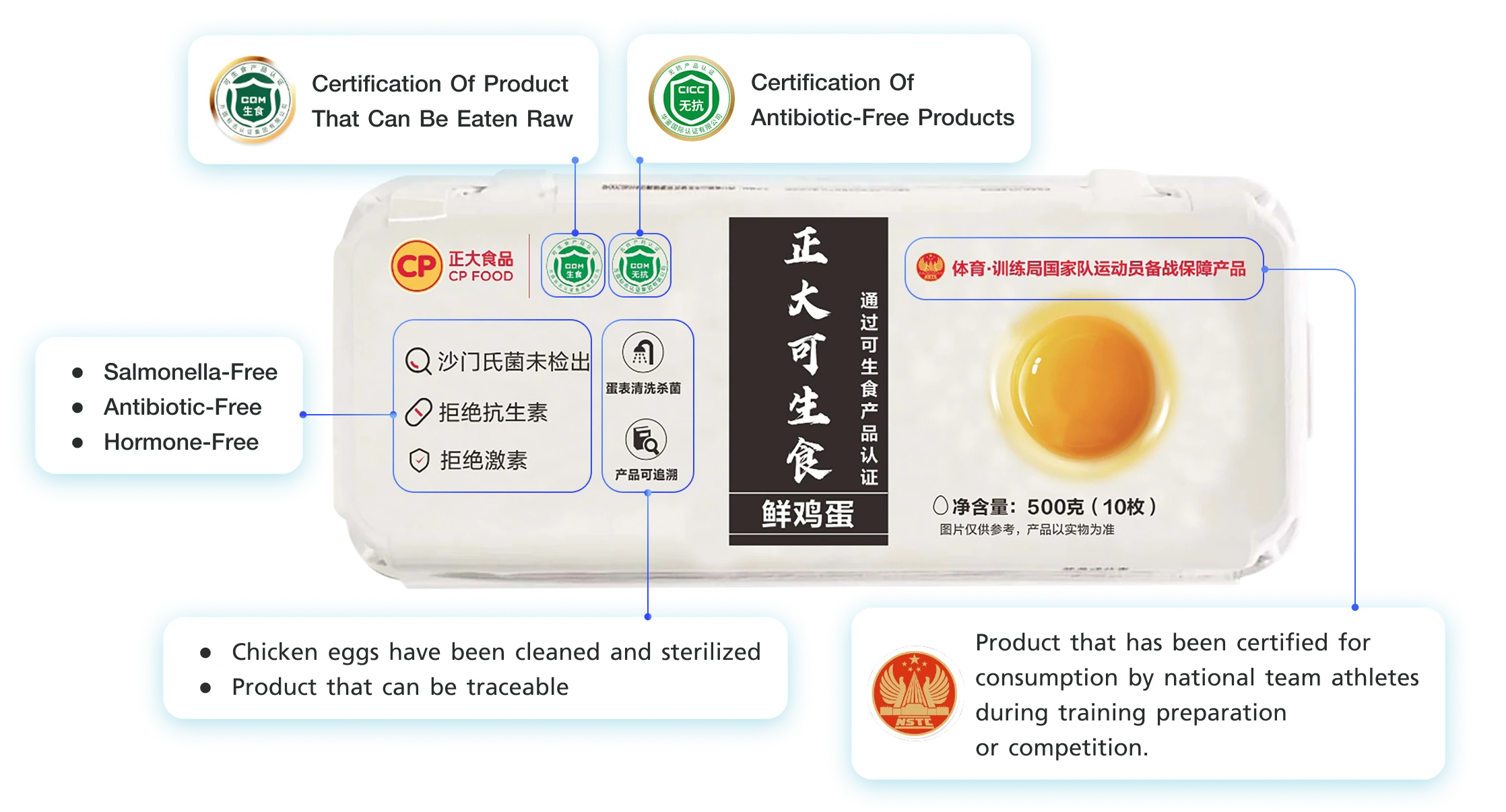
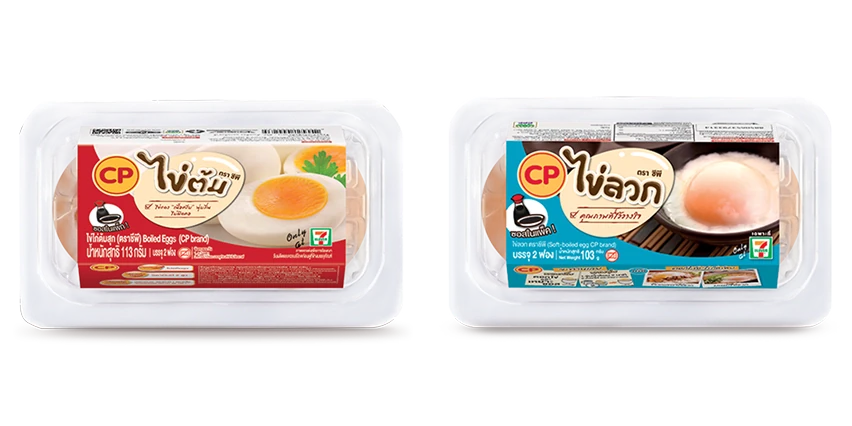
Additional Information
Low Carbon Products

Carbon Footprint of Products (CFP)
Carbon Neutral Products
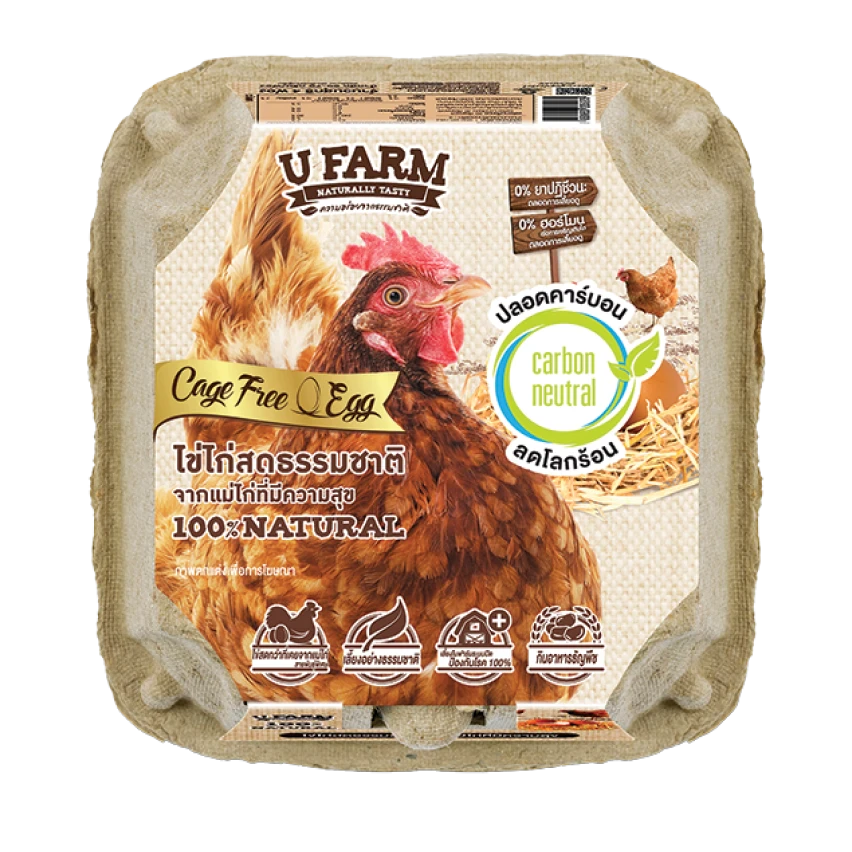
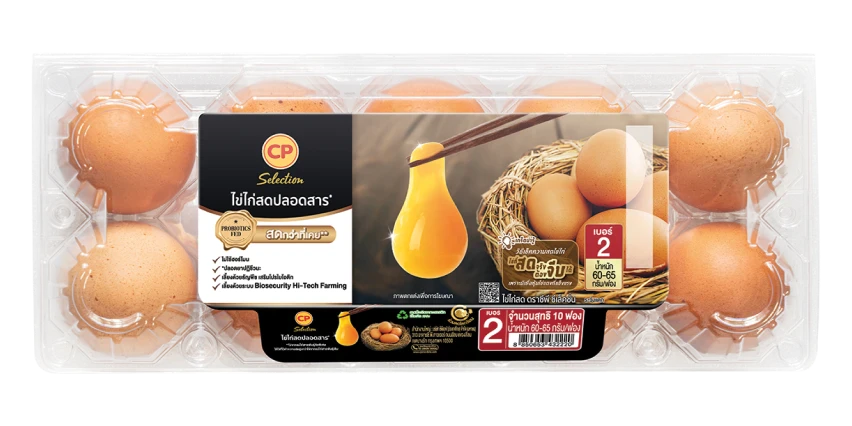

Carbon Footprint Reduction (CFR)
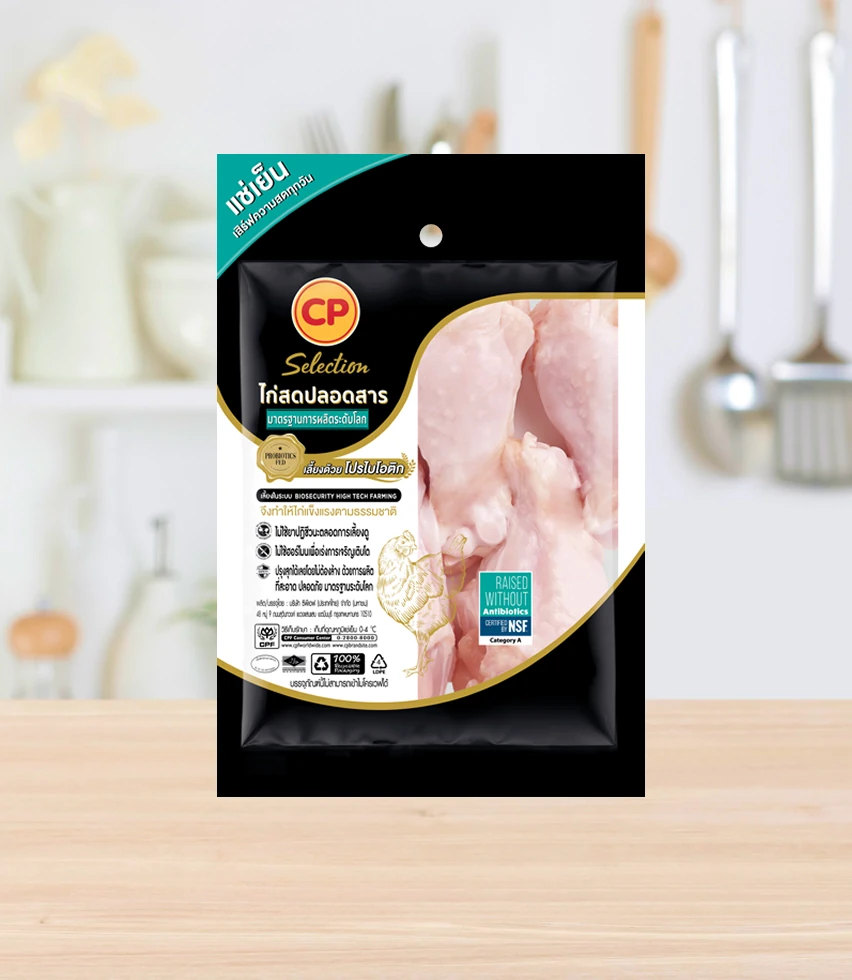
Beyond communicating information through product labels, Charoen Pokphand Group encourages its business groups to disseminate product, nutrition, and health information and knowledge to customers and consumers through various channels, including websites, applications, public relations materials, and educational activities. These efforts aim to raise awareness and understanding of product ingredients and nutritional value, appropriate consumption, food safety, and potential health and safety impacts arising from product consumption. The Group also promotes consumers’ ability to select products and make appropriately informed consumption decisions, while encouraging awareness of the appropriate intake of key nutrients such as sugar, fat, and sodium to support balanced consumption habits and well-being.
Examples of Communicating Nutrition, Health, and Safety Information and Knowledge to Consumers
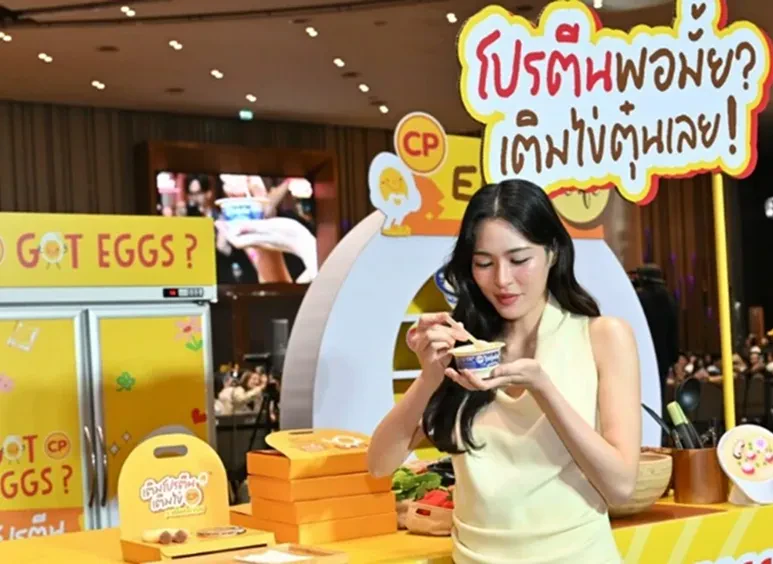
World Egg Day Encourages Thai People to Increase Their Protein Intake
CPF Food Research and Development Center presented its work and exchanged knowledge at Thailand Research Expo 2026
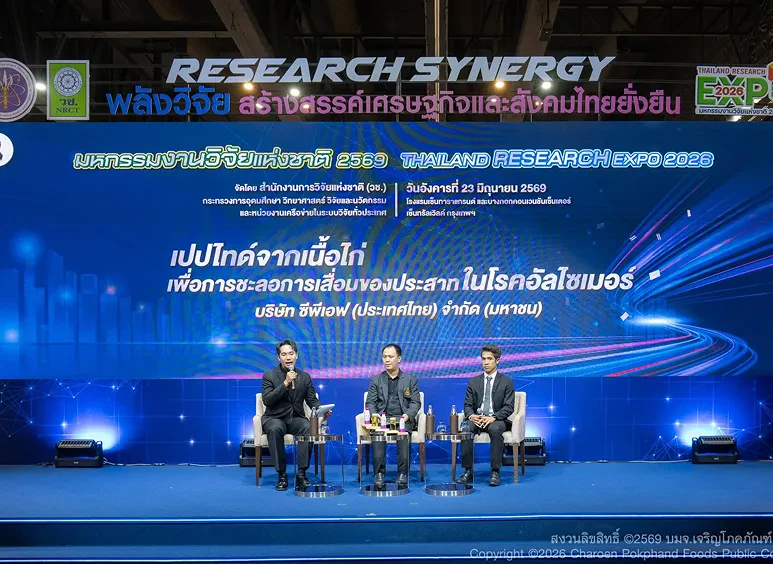
CPF’s biotechnology research team participated in an exchange of perspectives on “Developing Healthy Food Innovations to Reduce Illness and Mortality from Cardiovascular Diseases (CVDs)”

CP Axtra Public Company Limited, the operator of Makro and Lotus’s, organized the “Learning Beyond the Classroom” field trip
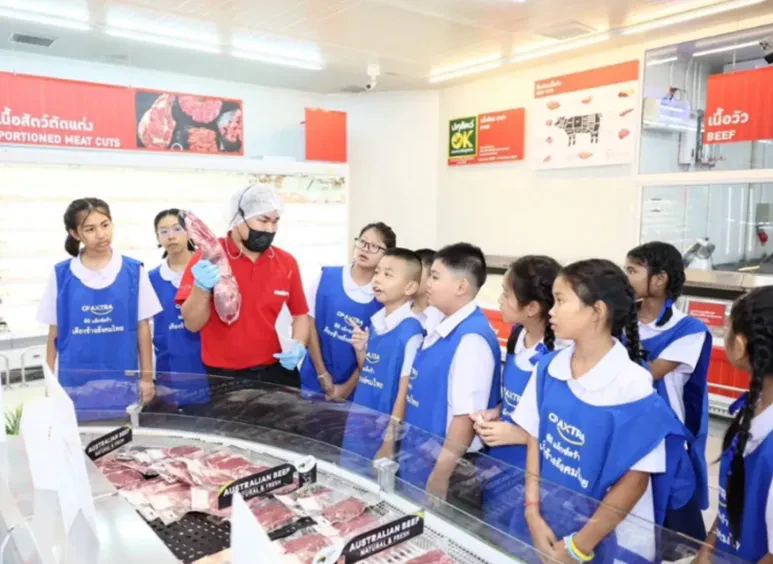
บริษัท บริษัท ซีพี ฟู้ด เอ็นเตอร์ไพรส์ (เฉิงตู) จำกัด ประเทศจีน จัดกิจกรรมเปิดโรงงานอาหารซีพีให้เด็กและเยาวชนเข้าเยี่ยมชมและเรียนรู้ด้าน โภชนาการ คุณภาพ และความปลอดภัยอาหาร ผ่านประสบการณ์จริง

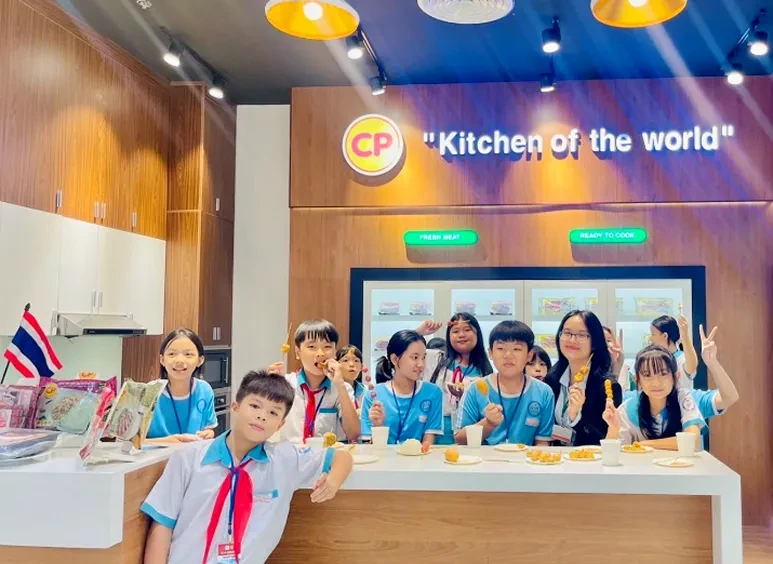
C.P. Vietnam Corporation promotes learning about quality, food safety, and nutrition among children and young people through educational visits to animal feed mills and food processing plants organized in collaboration with educational institutions
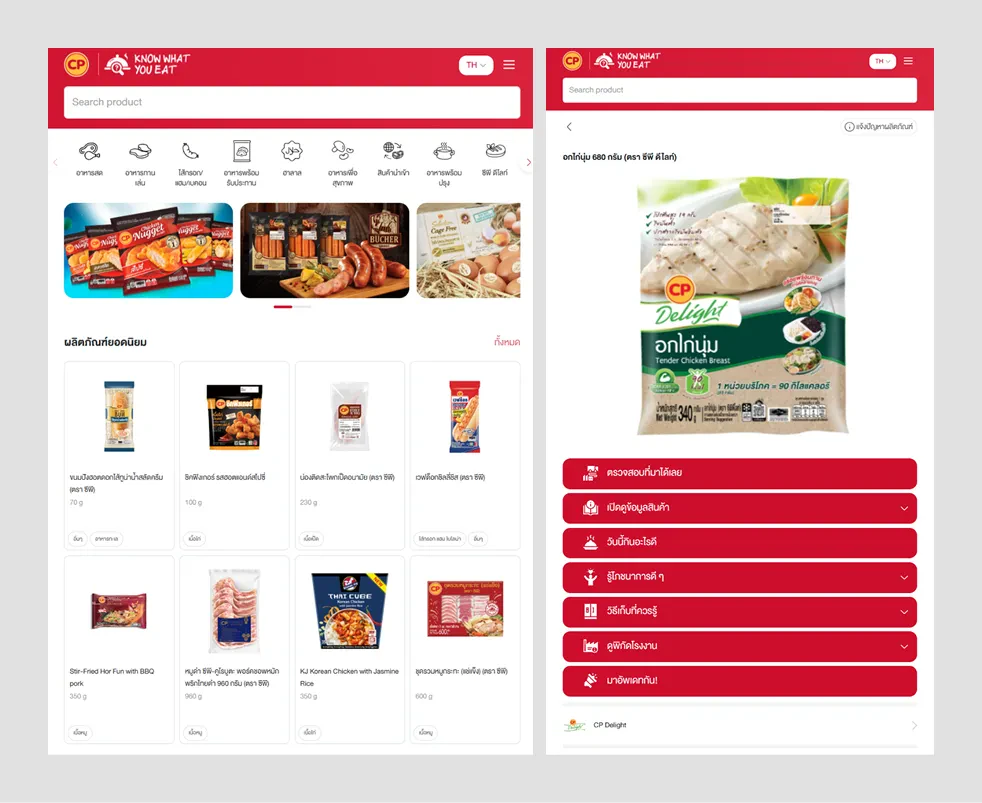
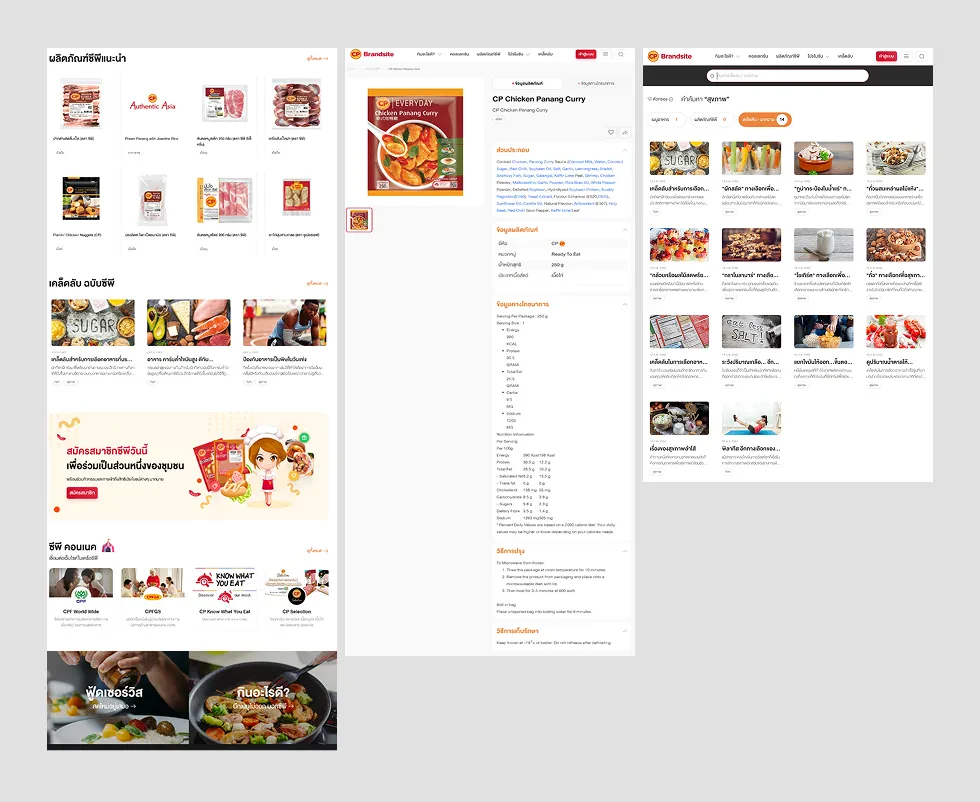
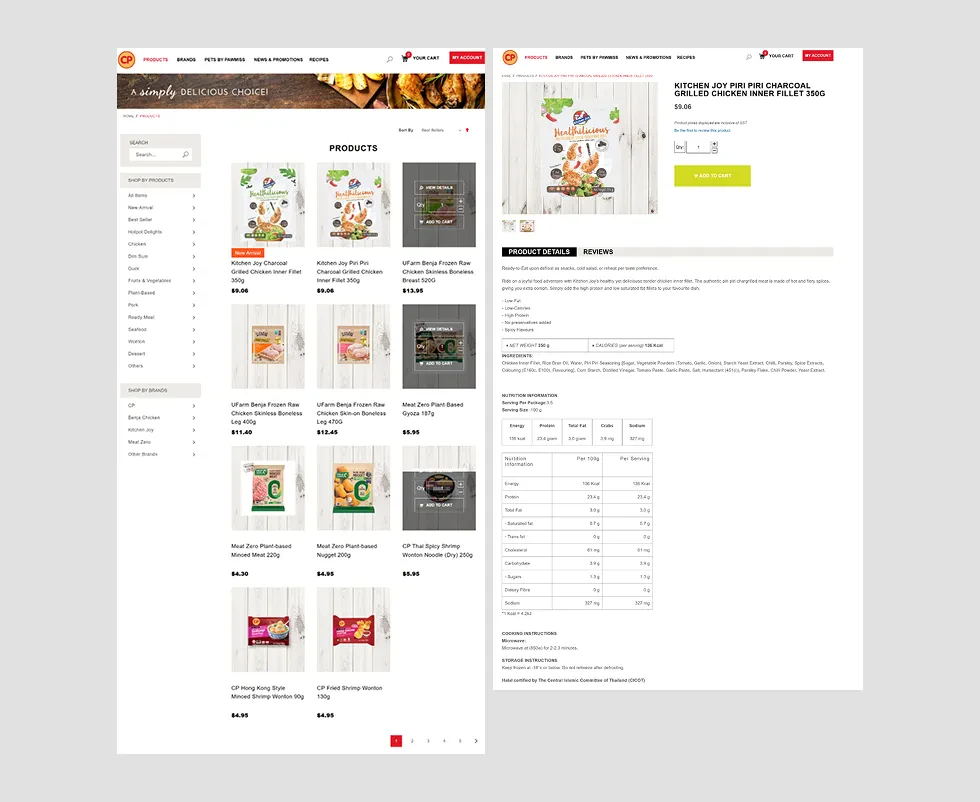
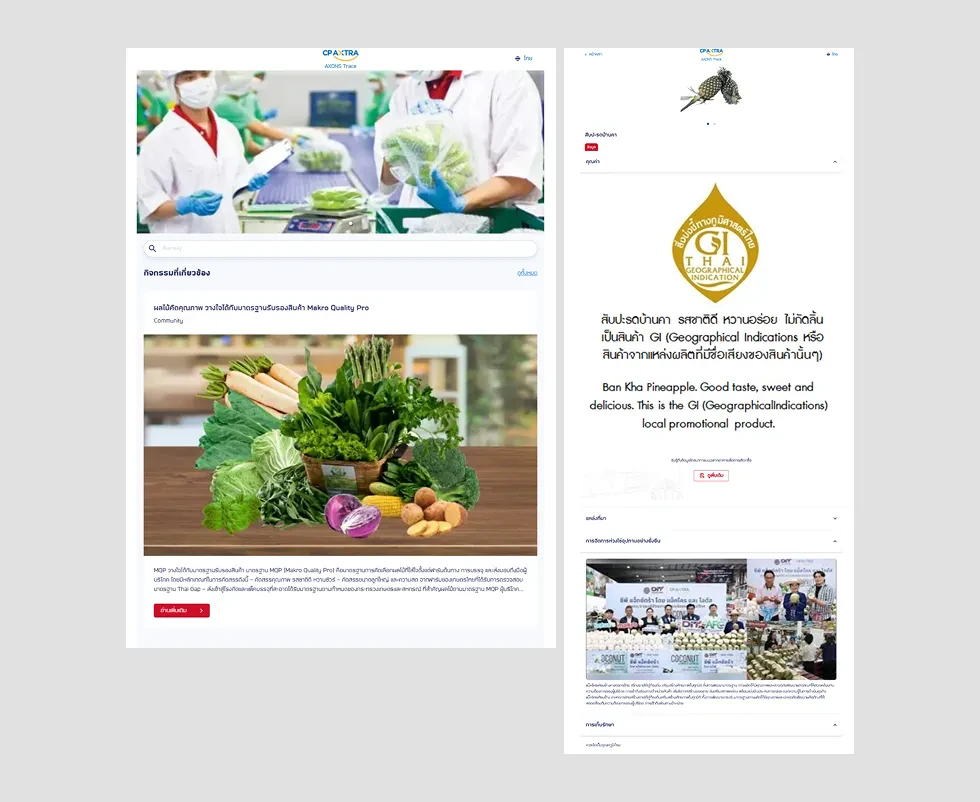
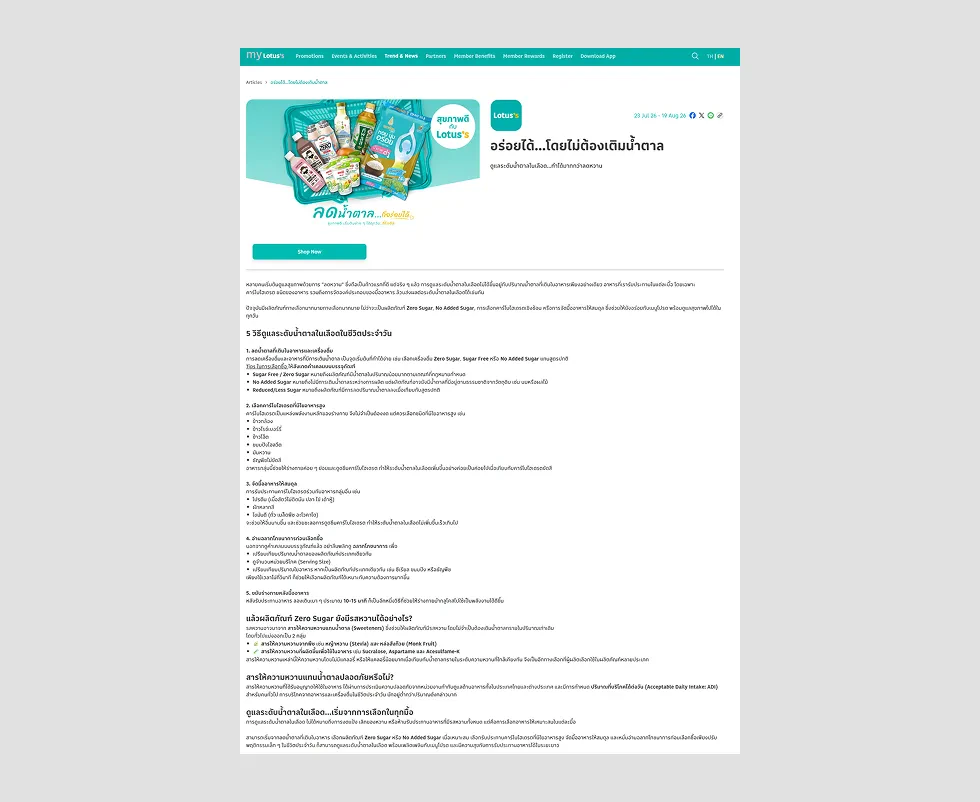
Examples of Communicating Product, Nutrition, and Appropriate Consumption Information to Consumers
The information covers product origins, product details, nutritional information, guidance on selecting food menus, storage methods, and production sources, enabling consumers to make informed decisions when purchasing, storing, and consuming products appropriately and safely.





Product Recall Process
Charoen Pokphand Group places importance on product quality and safety, as well as the health and safety of customers and consumers.
The business groups establish guidelines and management processes for cases involving products that may have quality issues or pose health and safety risks. These include Product Withdrawal and Recall processes appropriate to the nature of the products and business operations.
In general, the process begins with receiving reports or detecting issues through quality inspections, complaints from customers and consumers, suppliers, relevant authorities, or other channels. This is followed by fact-finding and risk-level assessment to determine the nature and severity of the issue and its potential impacts on consumers.
When a product is identified as potentially posing a risk, the business groups undertake Identification and Traceability to identify the affected product, production run or lot, production source, and distribution channels. Appropriate measures are then considered based on the level of risk, such as suspending sales, withdrawing the product from distribution channels, or initiating a Product Recall.
The business groups communicate and coordinate with customers, consumers, suppliers, and relevant authorities through appropriate channels to provide information about the product, potential risks, and actions that consumers should take. They also remove affected products from distribution channels, monitor recall status and outcomes, analyze the causes of the issue, and establish Corrective and Preventive Actions to reduce the likelihood of recurrence and continuously enhance product quality and safety management systems.
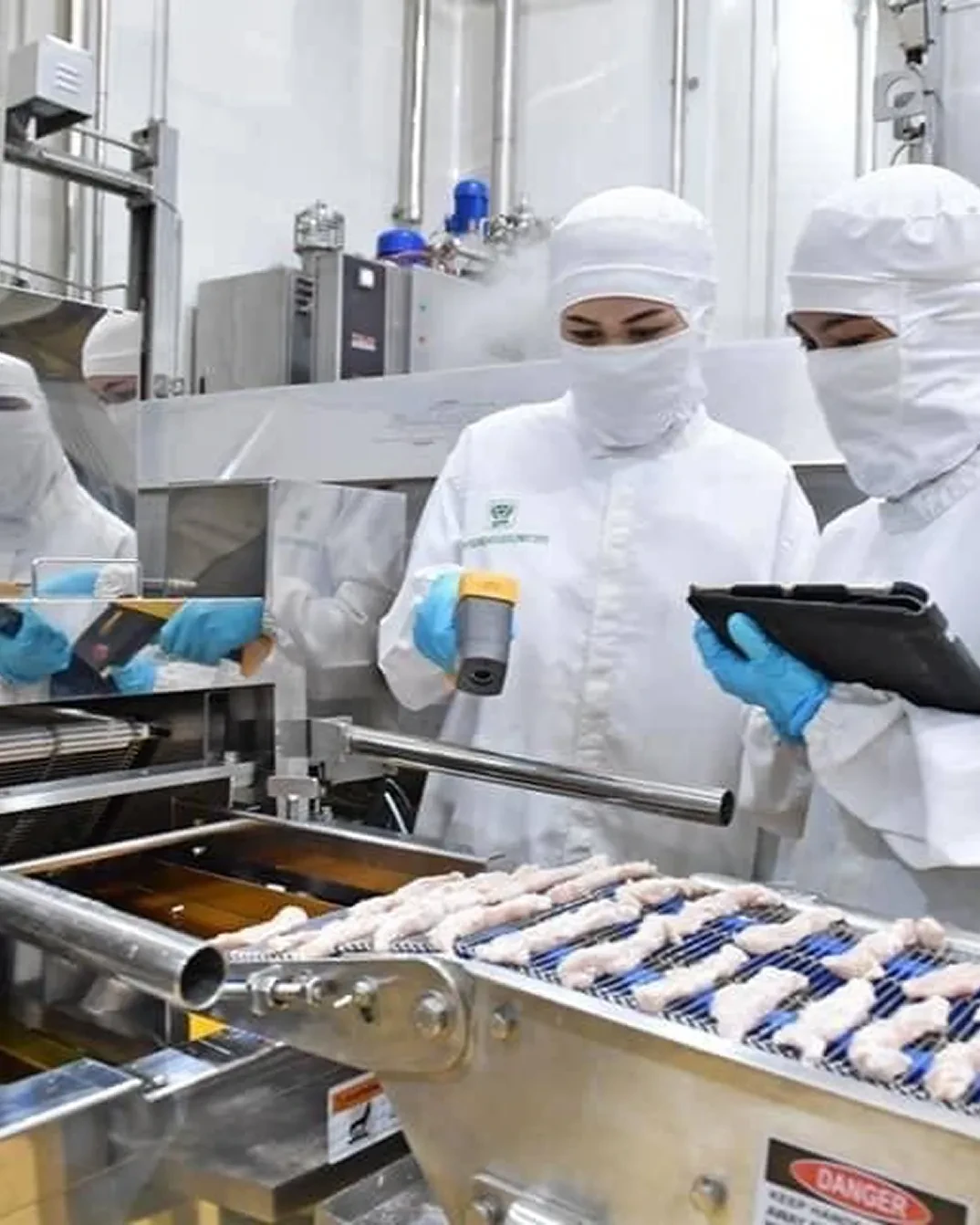
Product Recall Prevention Process
CP ALL Public Company Limited has developed a product quality improvement system and effective product recall procedures arising from complaints to ensure that products delivered to customers are clean, safe, and reliable. The Quality Assurance (QA) function inspects the quality standards of products supplied for sale at 7-Eleven stores as follows:
| Quality Assurance System for Products Supplied for Sale at 7-Eleven Stores | ||||
|---|---|---|---|---|
| Product Development | Manufacturing | Distribution Center | Retail Store | Consumer |
|
|
|
|
|
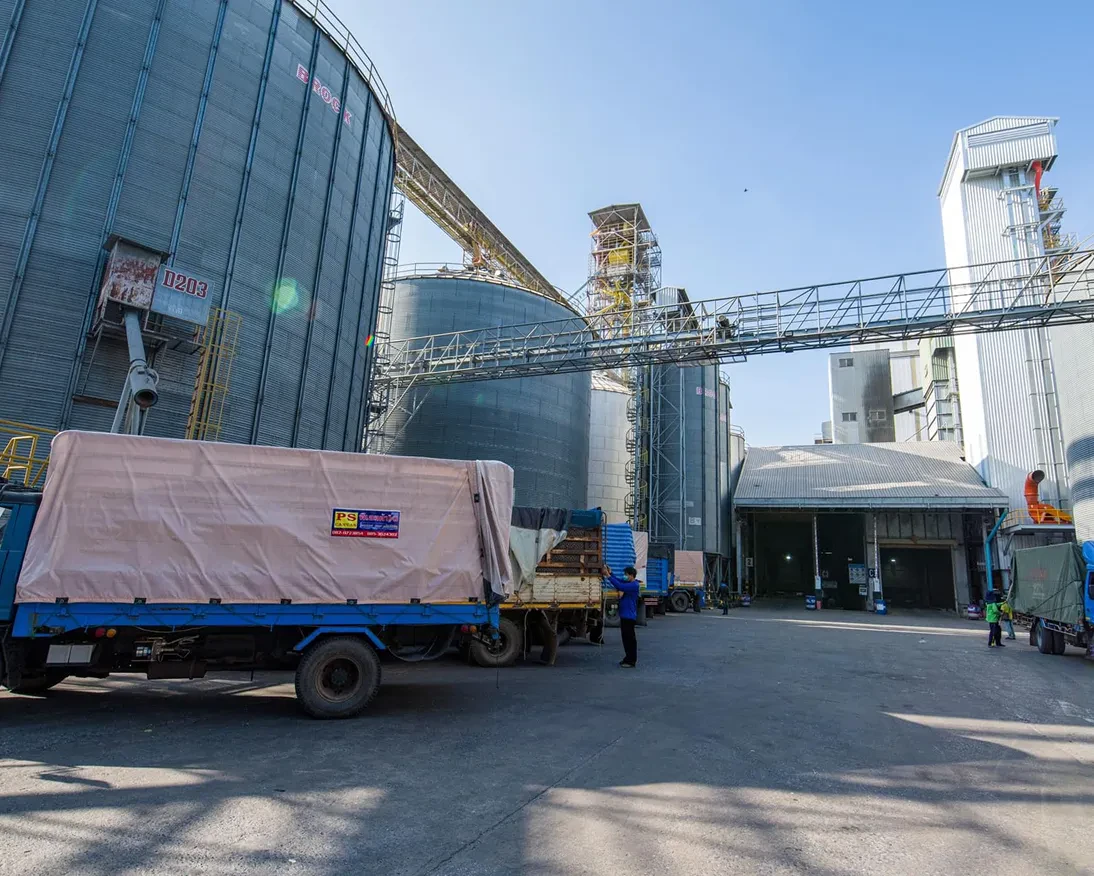
Product Recall Process
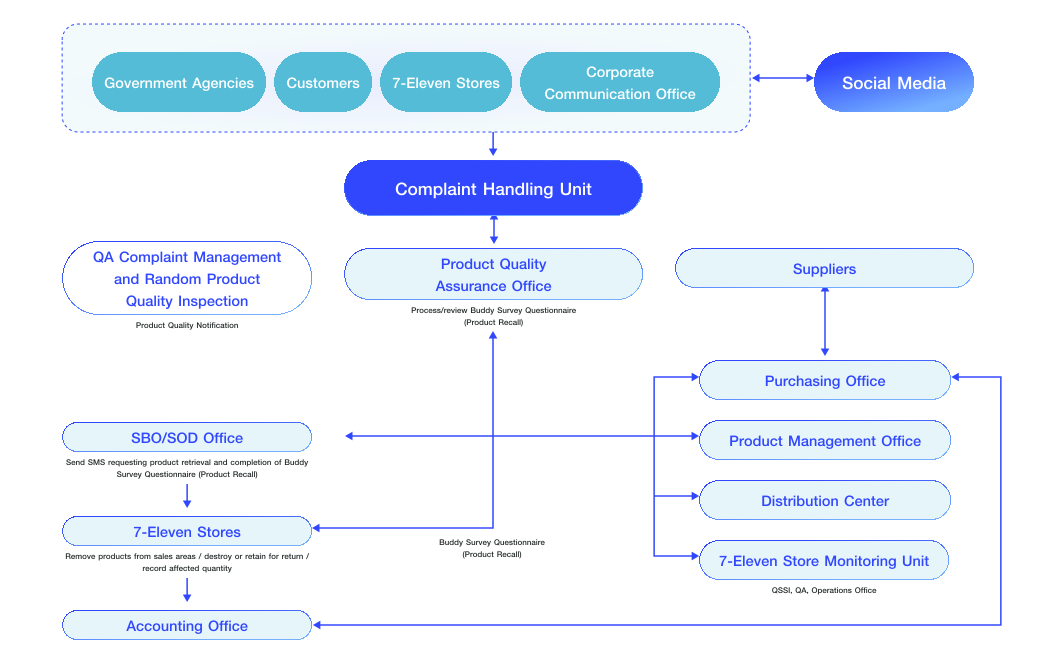
CP ALL Public Company Limited has established a “Proactive Inspection System” that enables the Company to initiate product recalls on its own initiative before widespread impacts occur. The Company also comprehensively manages and investigates complaints to ensure that consumers receive quality products and services. Upon receiving a complaint, the Quality Assurance (QA) function and Contact Center immediately coordinate with the relevant store to verify the facts and report the findings to the central function for situation assessment. All stores are subsequently notified of the complaint and required to report their findings to the QA function. Inspections by other relevant functions are also conducted according to the product type, together with investigations involving the relevant suppliers. The process is shown in the diagram below.
Product Recall Process Flowchart
Source:: https://www.cpall.co.th/en/sustain/social-dimension/product-management-for-health-and-nutrition/